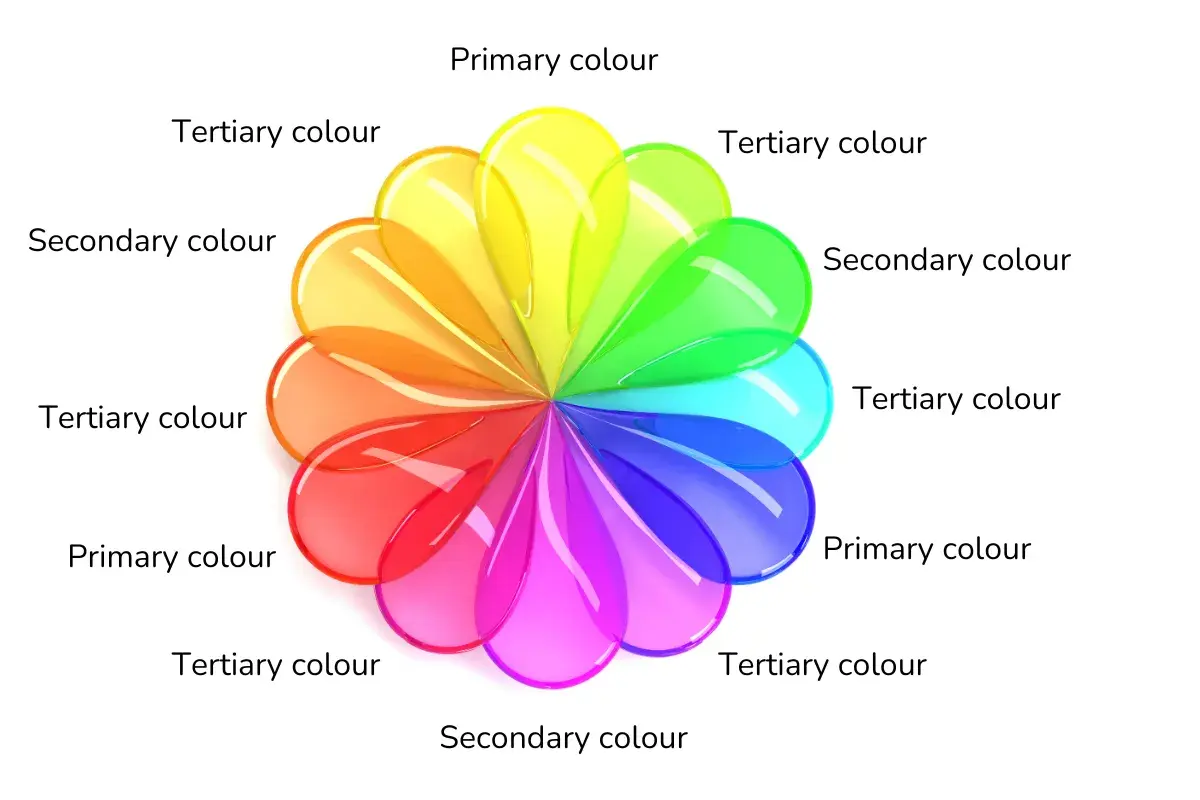
Color learning looks simple from the outside, but it is really a mix of vision, language, memory, and everyday repetition. The short answer to when do kids learn colors is that many children start matching and noticing them in toddlerhood, then name basic colors more reliably around ages 3 to 4. In this article, I break down the usual age range, the stages behind it, what helps most at home, and when slow progress is worth a closer look.
The color-learning window is wider than most parents expect
- Most children begin with matching and pointing before they can name colors consistently.
- Color naming often becomes more reliable between ages 3 and 4.
- Mixing up shades, favorite colors, and object names is normal in the early years.
- Play-based repetition works better than drilling or flashcards alone.
- If a child is still struggling a lot by age 4, it is reasonable to mention it to a pediatrician.
The age range that matters most
I usually think about color learning as a range, not a milestone with one exact birthday. In the U.S., the most useful public guidance lines up with a broad toddler-to-preschool window: many children start engaging with colors in the second year, then become more consistent closer to age 4. The CDC’s milestone guidance for 4-year-olds includes naming a few colors, which is a good reality check for parents who worry that a 2-year-old “should” already have it mastered.
| Age range | What usually happens | What it looks like in real life |
|---|---|---|
| 18 to 24 months | Children begin noticing and matching colors, but naming is usually inconsistent. | They may hand you the red cup when you ask, even if they cannot label it yet. |
| 2 to 3 years | Many toddlers start using color words, though they often mix them up. | A child may call every bright object “blue” for a while, then switch favorites next week. |
| 3 to 4 years | Basic color naming becomes much more reliable. | They can often name red, blue, yellow, green, and a few other basics with growing confidence. |
| 4 to 5 years | Children usually become more accurate with categories, shades, and comparisons. | They may notice that turquoise is not the same as blue, or that pink is a lighter red. |
That range matters because parents often compare a child’s spoken answers to another child’s matching ability. I would not do that. A child can understand colors before they can say them, and they can say some color words before they truly use them accurately. That difference is the heart of the subject, and it leads directly into how color knowledge actually develops.
How color learning usually unfolds
Michigan State University Extension describes color learning as a sequence: matching, pointing, then naming. That order matters more than most people realize. If you expect a child to say “yellow” before they can sort yellow blocks together, you are asking for frustration.
Matching comes first
This is the stage where children notice that some things go together. They may put all the red cars in one pile or prefer the same colored cup every morning. At this point, the goal is not verbal perfection. The win is pattern recognition.
Pointing comes next
Once a child can match, they often start responding to requests like “Can you give me the blue ball?” This is a much stronger sign of understanding than random guessing because it shows they can connect the spoken word with the object.
Naming is the last step
Only after repeated exposure do many children confidently answer, “What color is it?” Naming is harder than pointing because it requires the child to retrieve the label from memory on their own. That is why a toddler may know the answer in context but still fail on a direct question.
Once you see color learning as a progression, the practical part gets easier: you stop testing for a label and start building the concept through play.

Simple play routines that make colors stick
If I were trying to teach colors at home, I would keep it low-pressure and repetitive. The best activities are the ones that fit into a normal day without feeling like a lesson. A few minutes of focused play beats ten minutes of forced quizzing.
Use sorting toys on purpose
Color sorters, stacking cups, nesting bowls, and simple blocks are useful because they make comparison visible. A child does not just hear the word “red”; they see that all the red pieces share something in common. That kind of repetition is especially helpful for nursery shelves and toy baskets because the same pieces can be used in many ways.
Turn reading into color talk
Board books, picture books, and even book covers can become color practice. I like to keep it simple: “Where is the yellow truck?” or “Show me something green.” You are not trying to turn every book into a quiz. You are pairing language with attention, which is what helps the label stick.
Use daily routines
Dress-up time, snack time, bath time, and cleanup time all create easy color moments. Ask which shirt they want, sort socks by color, or drop only the blue bath toys into one bin. Real life is often better than a worksheet because the child sees colors in context, not in isolation.
Stick to a small set first
I usually recommend starting with 2 to 4 basic colors instead of the whole rainbow. Red, blue, yellow, and green are enough in the beginning. Once those are stable, you can add orange, purple, pink, and brown without making the whole process feel overwhelming.
These small routines work because they repeat the same concept in different forms, and that repetition matters more than flashy materials or expensive toys.
Why some kids take longer
It is easy to think a child is “behind” when they are really just not ready for the verbal part yet. Color words are language labels, so speech development plays a role. A toddler may understand exactly which cup you mean, but still not be able to say the word on command.
There are also a few common reasons color learning looks uneven:
- They know the color in context but not as a standalone answer.
- They confuse similar shades, like blue and purple or red and pink.
- They have a favorite answer and use it for everything for a while.
- They are still building attention, which makes quick testing unreliable.
- They have had limited repetition with the same colors and objects.
Personally, I pay more attention to pattern than to one-off mistakes. If a child can sort colors during play, point correctly when asked, and improve with repetition, that is meaningful progress even if they still stumble when put on the spot. The real issue is not whether they get it perfect on the first try; it is whether the skill is gradually becoming stable.
When to bring it up with a pediatrician
Most color mix-ups in toddlers are normal. Still, I would mention it at a well-child visit if a child is around 4 and still cannot name a few basic colors after regular exposure, especially if there are other concerns at the same time. The CDC encourages parents to act early when a child is missing milestones or has lost skills they once had, and that is sound advice here too.
It is worth asking about color learning if you also notice any of the following:
- broader speech or language delay
- trouble following simple directions
- possible vision concerns, like squinting or holding objects very close
- persistent confusion that does not improve with play and repetition
- skills that seemed present and then faded
I would not jump to conclusions from one confusing answer. But if color recognition stays shaky well past the preschool years, or if it is part of a bigger developmental picture, a pediatrician can help sort out whether it is just a learning pace issue or something that deserves screening.
What I would keep in the toy basket for steady progress
If the goal is to make colors stick, I would keep the toy basket simple and intentional. You do not need a giant educational setup. A few good tools used consistently are enough to create real progress.
- A small set of colored blocks or stacking cups for matching and sorting.
- Board books with bold, clear pictures and limited visual clutter.
- Crayons, chunky markers, or washable paint sticks for naming colors during art time.
- One or two color-focused toys instead of a dozen different “learning” gadgets.
- Real objects from everyday life, like socks, spoons, snack bowls, and toy cars.
My rule of thumb is straightforward: keep the same colors in circulation long enough for the child to notice them in different settings. That is how color knowledge becomes usable, not just memorized. If you stay playful, patient, and specific, most children get there naturally, and the learning tends to last because it was built into real life instead of drilled as a test.
