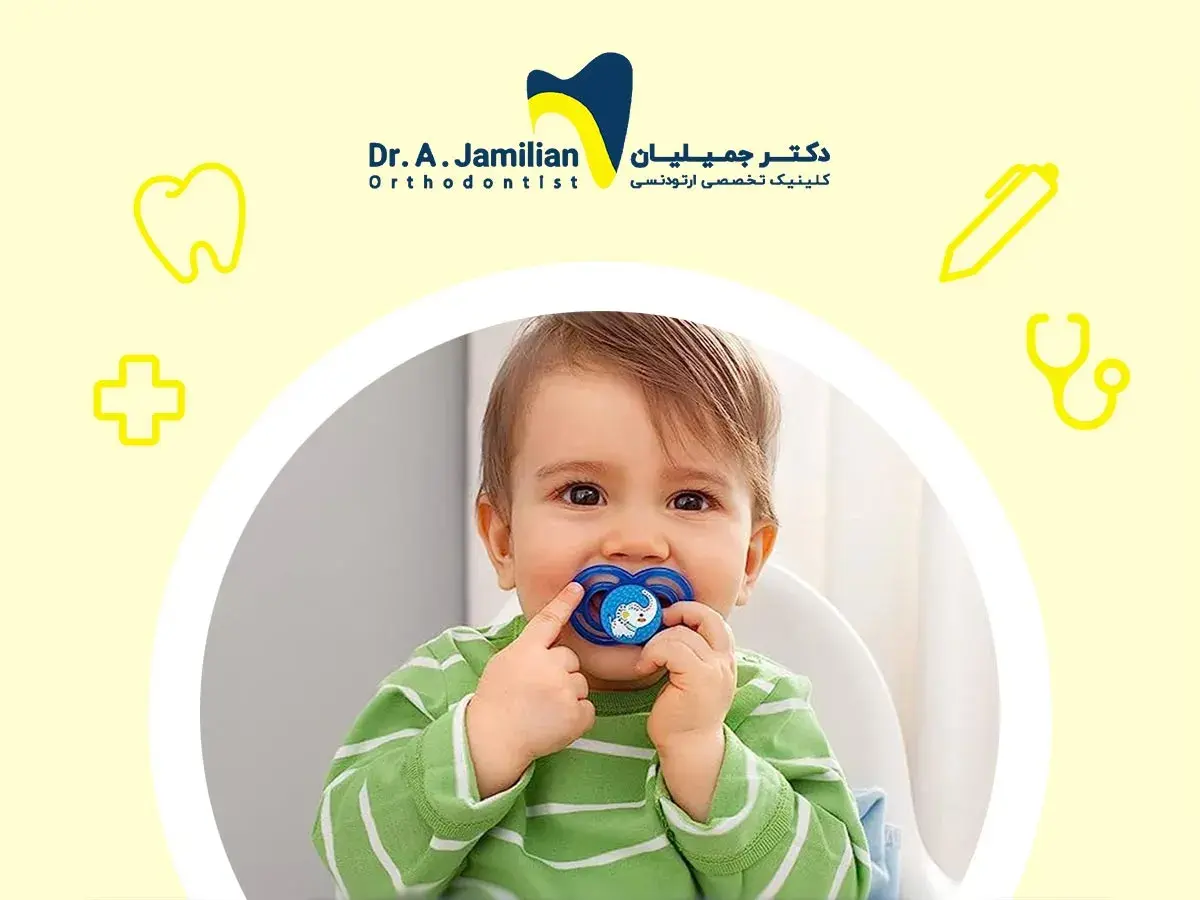
Pacifiers can be a useful comfort tool, but once a baby starts biting down on one, the conversation changes from soothing to wear, safety, and bite development. In this article, I explain what that habit usually means, how to tell when it is still harmless teething versus a real dental issue, and what to do if the pacifier is getting chewed up or used longer than it should be.
What matters most when a pacifier starts getting bitten
- Occasional nibbling is usually teething or curiosity; repeated chewing is a different habit.
- Duration matters more than one or two bites. The longer the habit continues, the more likely it is to affect the bite.
- The American Academy of Pediatric Dentistry notes that prolonged use beyond 12 months can raise ear infection risk, and beyond 18 months can influence jaw development.
- Any pacifier with cracks, tears, stickiness, or missing pieces should be replaced immediately.
- If your child is biting the pacifier instead of sucking on it, I would start planning a gradual wean rather than waiting for the problem to solve itself.
- A one-piece pacifier with a firm shield and no cords is the safest basic setup.
What a pacifier bite actually means
In plain English, this is the moment when a baby stops using the pacifier only for sucking and starts clamping, chewing, or grinding on it. That can mean the nipple gets worn down, but it can also mean the habit is beginning to shape the mouth and bite in ways parents do not notice right away.
I do not treat every nibble as a problem. A younger infant may bite simply because the gums are sore, the pacifier feels interesting, or the child is experimenting with mouth pressure. The concern rises when chewing becomes the default behavior, especially in toddlers who already have several teeth and are using the pacifier for long stretches of the day.
That is why the next question is not just “is the baby biting?” but “why now, and how often?”
Why babies bite pacifiers in the first place
Most babies do not start chewing a pacifier for one single reason. In my experience, it usually comes down to a mix of teething, self-soothing, and simple oral exploration.
- Teething pressure makes the gums sore, so biting feels better than passive sucking.
- Oral curiosity kicks in once babies learn they can test objects with their mouths.
- Frustration or overstimulation can make chewing more likely than calm sucking.
- Habit strength matters too: the more often a pacifier is offered, the more likely a child is to develop a stronger oral pattern around it.
There is also a feeding angle here. A pacifier is meant to comfort between feeds, not replace a meal or mask hunger cues. If a baby is genuinely hungry, biting the pacifier usually means the child wants something different, not that the pacifier is doing its job well. Once you can tell whether the behavior is teething, boredom, or a feeding issue, the next step is spotting when it starts affecting the bite itself.
How to tell when it is affecting the bite
The dental changes most parents hear about are an open bite and a crossbite. An open bite means the front teeth do not meet when the mouth closes. A crossbite means some upper teeth sit inside the lower teeth instead of outside them. Those changes can show up gradually, which is why the habit often looks harmless long before it becomes obvious.
The AAPD notes that prolonged pacifier use beyond 18 months can influence the developing mouth and jaw, and that children using a pacifier for 36 months or longer had a higher incidence of anterior open bite. The useful part of that guidance is the timing: the longer the habit lasts, the more likely it is to matter. I also think duration matters more than intensity for many children, which is why a daily, hours-long habit is more concerning than an occasional bedtime comfort.| What you notice | What it can mean | What I would do |
|---|---|---|
| Front teeth do not touch when the mouth closes | Possible open bite | Limit pacifier time and ask the pediatric dentist to check it |
| Upper teeth look tucked inside the lower teeth | Possible crossbite | Reduce the habit sooner rather than later |
| Pacifier looks flattened, torn, or sticky | Wear and safety risk | Replace it immediately |
| Child chews the pacifier more than sucking on it | Habit is shifting from soothing to chewing | Start a weaning plan |
If the changes are mild and the pacifier habit ends early, they often improve. If the child keeps using it well into the toddler years, the bite is less likely to self-correct cleanly. That is the point where I would stop debating it and start acting on the habit itself.
What to do when the pacifier is cracked or chewed
Once a pacifier is visibly damaged, I would treat it as unsafe, not merely “worn.” A torn nipple, sticky silicone, thin spot, or missing fragment means it is time to throw it away. Even if the child is emotionally attached to that one specific pacifier, the safety risk is simply not worth it.
The AAPD recommends regular inspection of pacifiers, and that advice is more practical than it sounds. Damage tends to happen quietly, then suddenly. If the pacifier has been bitten enough to leave marks, it is already telling you something useful: the child may be ready for less pacifier time overall.
- Check the nipple before every sleep period if your child is in a chewing phase.
- Replace any pacifier that looks thin, torn, sticky, discolored, or misshapen.
- Use only designs with a firm shield and no cords, clips, or loose attachments.
- Do not try to salvage a damaged pacifier with tape, glue, or trimming.
- Do not dip it in honey or sweeteners to make it more appealing.
When the pacifier itself is failing, the real issue is usually the habit behind it. That is why the next section matters more than buying another replacement.
How I would wean without creating a new sleep problem
If a baby is clearly biting the pacifier, I usually think in terms of gradual removal, not a dramatic cutoff. A sudden change can work for some families, but in many homes it just replaces one fight with another. I prefer to reduce the habit in stages so the child is not forced to give up every soothing cue at once.
- Start by limiting the pacifier to the highest-value moments, usually naps and bedtime.
- Offer it less often during awake time, especially when the child is calm.
- Replace some pacifier moments with other cues: rocking, singing, a favorite blanket, or a short cuddle routine.
- Use a simple reward for pacifier-free stretches, even if the reward is just praise and attention.
- Stay consistent for at least a week before deciding the approach is not working.
The AAPD favors positive reward over power struggles, and I agree with that approach. The more the pacifier becomes a battle, the harder it is to separate comfort from conflict. If your child is already close to preschool age, I would move faster; if the child is younger and still deeply attached, I would still set boundaries, but I would do it with a steadier pace. Either way, the goal is the same: keep the child calm while making the pacifier less central.
Choosing a safer pacifier and keeping feeding on track
If you are still using a pacifier, the design matters. I look for a one-piece model with a firm shield, ventilation holes, and no extra straps or cords. The shield should be large enough that it cannot pass fully into the mouth, and the whole pacifier should hold up to daily inspection without thinning out quickly.
| Better choice | I would avoid |
|---|---|
| One-piece construction | Multi-piece designs that can separate |
| Firm shield with vent holes | Soft shields that bend too easily |
| No cords, ribbons, or attachments | Anything that can wrap around the neck or break loose |
| Pacifier used after feeding is complete | Pacifier used to delay a real feeding |
| Regular replacement when worn | Keeping a damaged pacifier in rotation |
Feeding timing matters too. A pacifier should soothe after the bottle or breast session is done, not blur hunger cues. If your child is fussy right before a feed, I would feed first and soothe second. That simple order keeps the pacifier in its proper role and avoids accidentally teaching the child to settle for sucking when what they really need is nutrition. Once that boundary is clear, the last question is how much this should worry you day to day.
What I would remember before worrying too much
Most pacifier biting does not turn into a crisis overnight. What matters is the pattern: how often it happens, how long the habit has been going on, and whether the pacifier is being sucked on or chewed apart. A short-lived teething phase is one thing; a daily chewing habit at toddler age is another.
If you remember only one practical rule, make it this: when the pacifier starts showing bite damage, start taking the habit seriously. That does not mean panicking. It means inspecting the pacifier more carefully, limiting use, and watching for changes in the bite before they become harder to reverse. I would also bring it up at the next pediatric dental visit if you notice an open front bite, a crossbite, or a child who cannot sleep without chewing the pacifier first.
Handled early, this is usually a manageable habit. Left alone, it can become a harder dental and sleep issue than it needed to be.
