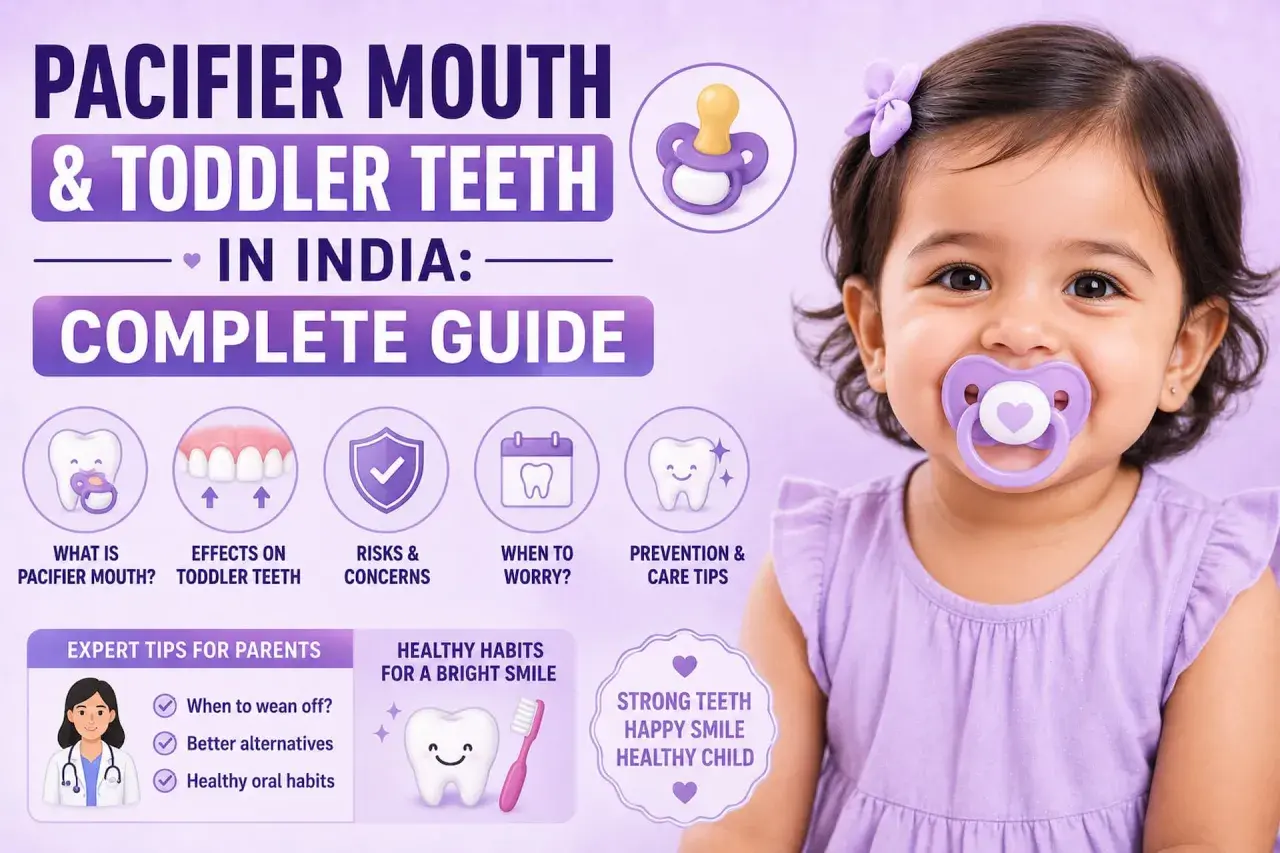
A pacifier bite usually points to teething, curiosity, or simple wear, but it can also be the first sign that the pacifier no longer belongs in the nursery drawer. In this guide, I break down what that chewing really means, when it is normal, when it is a safety issue, and how to handle it without turning comfort time into a battle.
The short version is that biting usually means teething, wear, or a pacifier that no longer fits
- Occasional chewing is common, especially when gums are sore or a baby is exploring textures.
- Any crack, split, sticky spot, thinning nipple, or missing piece means the pacifier should be replaced immediately.
- Do not use a pacifier to delay feeding; hunger and soothing should not be mixed.
- For sleep, a pacifier can still be helpful, but only if it is intact and age-appropriate.
- Persistent sucking beyond the toddler years can affect tooth alignment and bite development.
- If chewing looks intense, switch to a teething-safe option and keep an eye on the mouth for irritation.
Why babies bite pacifiers
In most cases, I read the behavior as a mix of teething and normal oral exploration. Babies learn with their mouths, so they chew on nipples, toys, fingers, and anything else that has a useful texture. If the gums are sore, biting can also become a self-soothing move: pressure feels better than nothing when new teeth are coming through.
There is a second explanation that is easy to miss: the pacifier itself may be wearing out. A baby that starts chewing harder on a familiar pacifier is sometimes reacting to a softer nipple, a stretched tip, or a shape that no longer holds up well. That is why I never treat repeated biting as “just a phase” without checking the product first. Once you know whether the cause is developmental or mechanical, the next step becomes much clearer.
When it is normal and when I would pay closer attention
Not every chew mark means trouble. I look at the pattern, the baby’s age, and whether there are other symptoms that point to teething rather than illness. HealthyChildren notes that teething usually brings drooling, chewing, and a bit of fussiness, but not fever or diarrhea, so I do not blame teething for every cranky day.
| What you notice | What it usually means | What I would do |
|---|---|---|
| Occasional chewing during naps or bedtime | Normal soothing behavior or early teething | Keep using the pacifier if it is intact and age-appropriate |
| Strong biting that leaves dents or thinning spots | The nipple is wearing out or the baby is cutting a tooth | Inspect carefully and replace the pacifier sooner rather than later |
| Cracks, sticky texture, split seams, or missing parts | Safety problem | Discard it immediately |
| Chewing plus fever, diarrhea, or unusual illness | Probably not teething alone | Call the pediatrician instead of assuming it will pass |
| Persistent sucking or chewing well into the toddler years | Habit that may affect tooth alignment | Start planning a gradual wean |
If the pattern looks ordinary and the pacifier is still sound, I usually leave it alone. If the pattern is changing fast, that is my cue to move from observation to action. The next question is what to do before the pacifier becomes a choking or dental risk.
What I would do the moment the chewing gets hard
The safest response is simple: stop using the pacifier if it shows any sign of damage. I do not try to stretch the life of a torn nipple, and I do not patch it with tape, glue, or wishful thinking. A worn pacifier is not a “still okay” item; it is a replace-or-discard item.
- Take it away and inspect it under good light.
- Check the nipple, shield, and any joint where pieces could separate.
- Replace it right away if the surface is cracked, sticky, discolored, or stretched.
- Offer a chilled teething ring or a clean, damp washcloth that has been chilled in the fridge, not the freezer.
I also try not to confuse comfort with feeding. If the baby is biting because they still want to suck after a feed, a cuddle or a burp may help more than putting the same pacifier back in. If the baby is actually hungry, the pacifier should not be used to delay the meal. That distinction matters more than most parents realize.
How to choose a safer pacifier
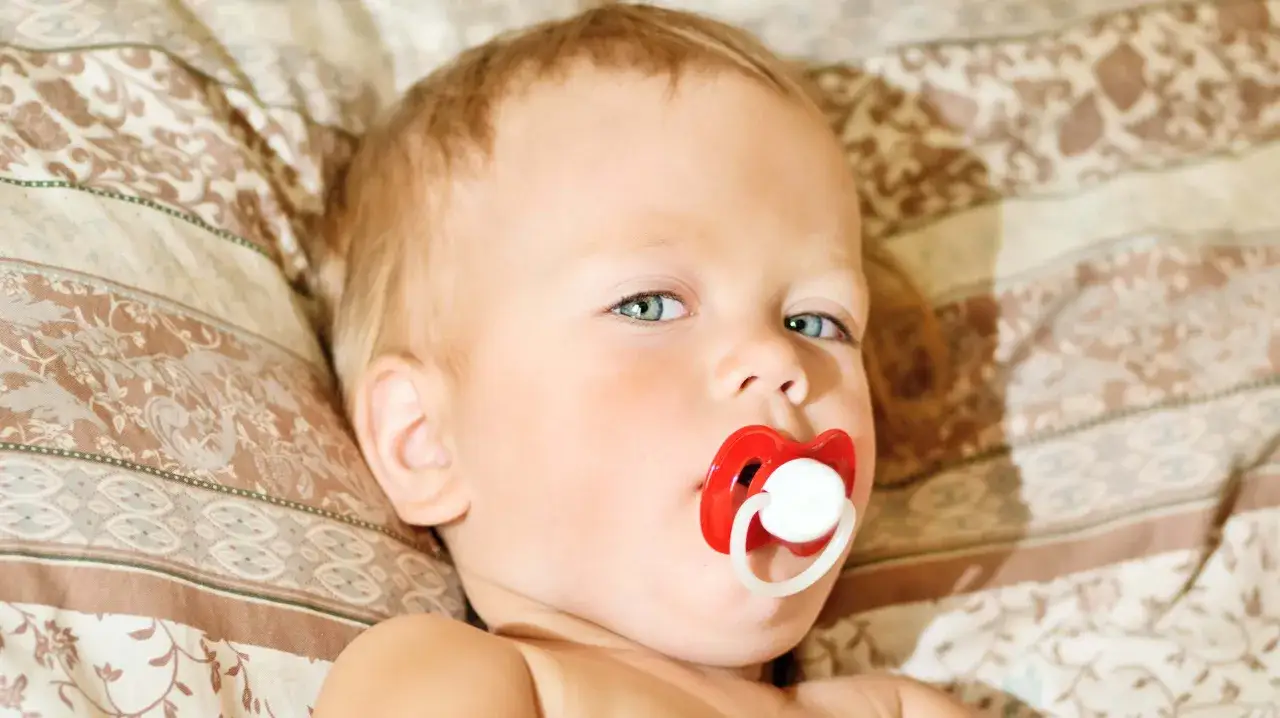
When I shop for pacifiers, I care more about construction than branding. The American Academy of Pediatrics recommends looking for a one-piece model, a firm shield with ventilation holes, and a shield wide enough that the whole pacifier cannot disappear into the mouth. That is the kind of detail that matters when a baby starts biting harder.
| Feature | Why it matters |
|---|---|
| One-piece construction | Reduces the chance of parts separating and becoming a choking risk |
| Firm shield with air holes | Helps prevent the pacifier from going too far into the mouth |
| Age-appropriate size | Newborn sizes can be too small for older babies and toddlers |
| Easy-to-clean material | Makes regular inspection and hygiene simpler |
| No homemade fixes | Prevents hidden weak points that can break under chewing |
When teething calls for a different tool
Sometimes the pacifier is not the problem at all. The baby is simply teething, and the mouth wants firmer pressure than a soothing nipple can provide. In that case, I shift the goal from “keep using the pacifier” to “give the gums something better suited to the job.”
That usually means a chilled teething ring or a cold, clean washcloth. I keep the rule simple: cold from the fridge is fine, frozen is not. Freezer-hard items can be too cold for the gums and uncomfortable in a way that does not help. If a baby is old enough for solids, a few chilled soft foods may help too, but I still avoid hard foods that could break off and become a choking risk.
This is also the point where a little honesty helps. If the baby is drooling, chewing, and fussy but otherwise well, teething is a reasonable explanation. If the baby seems truly sick, I look beyond teething. That keeps me from missing something more important.
The small habits that keep a comfort habit under control
What makes the biggest difference is not a perfect pacifier brand or one dramatic fix. It is the small routine around it. I keep spare pacifiers in rotation, inspect them often, and replace anything that looks even slightly compromised. I also keep the pacifier in its lane: soothing, sleep, and short calming moments, not all-day background use.
For older toddlers, the bigger issue becomes habit, not teething. Prolonged strong sucking can affect how the teeth line up, and the longer the habit continues, the harder it can be to undo. That is where a gradual, low-drama approach works best: reduce daytime use first, reserve it for sleep if needed, and praise the child when they leave it alone. If the bite is already changing or the front teeth look out of place, I would bring it up with a pediatric dentist rather than waiting for the problem to sort itself out.
My practical rule is straightforward: if the pacifier is intact, age-appropriate, and still serving a real soothing purpose, it can stay. If it is damaged, too old for the child’s stage, or tied to a habit that is affecting feeding or oral development, it is time to replace it, reduce it, or retire it altogether.