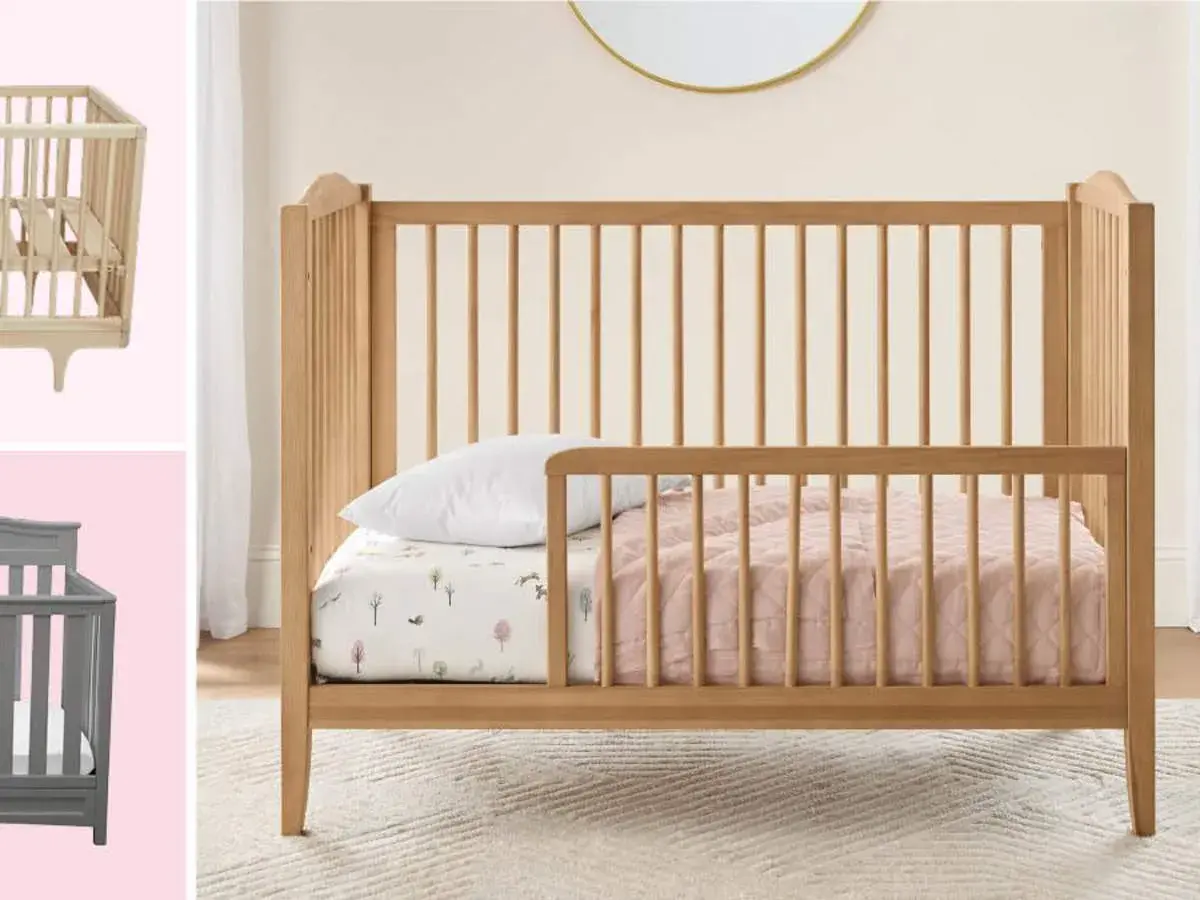
A two-year-old does not automatically need a bigger bed, and the safest choice is usually less about age than about size, climbing, and how well the room is prepared. The question of what kind of bed should a 2 year old be in usually has a practical answer: keep the crib if it is still safe, move to a low toddler bed when the crib is no longer working, or use a low twin or floor-style setup only when the whole room is ready for more freedom.
This guide breaks down the decision in plain English, so you can choose a bed that fits your child’s stage without turning bedtime into a nightly safety project.
The safest choice depends on readiness, not just age
- If the crib is still safe and your child is not climbing out, staying in the crib is often the easiest option.
- If your child is escaping, nearing crib height limits, or too restless for the crib, a toddler bed or low bed makes more sense.
- A convertible crib can be a smart bridge because it keeps a familiar sleep space while lowering the fall risk.
- Once the bed gets lower and more open, room safety matters as much as the mattress itself.
- Bed rails can help in some setups, but they are not a fix for a poorly prepared room.
The safest default at age 2
I usually start with a simple rule: do not move a child out of the crib just because they turned two. If the crib is in good condition, the mattress is on the lowest setting, and your child is sleeping well without trying to climb out, the crib can still be the right place.
HealthyChildren.org frames the crib-to-bed move around safety and climbing, not the birthday itself. That matches what I see in real homes: the best time to change beds is when the crib stops being safe or practical, not when a calendar says it is time. If bedtime is calm and the crib still contains your toddler safely, there is no prize for rushing the switch. That leads directly to the signs that really matter.
Signs it is time to leave the crib
- Your child is climbing out or trying to climb out repeatedly.
- The crib mattress is already at the lowest position and still does not feel secure enough.
- Your child is around 35 inches tall, or the side rail is less than three-quarters of their height.
- The crib is older, damaged, or no longer meets current safety expectations.
- Bedtime has become unsafe because your child is using the crib like a launch pad instead of a sleep space.
If none of those are true, I would not force the change. If one or more are true, I would start looking at a lower sleep setup rather than a taller bed frame. That brings us to the real comparison most parents need.

How the main bed options compare
I look at bed choices through two lenses: how likely the child is to fall, and how much freedom the setup gives them at 2 a.m. The bed itself matters, but the room around it often matters more.
| Option | Best for | Why it works | Main trade-off |
|---|---|---|---|
| Crib | A two-year-old who still sleeps safely inside it | Most contained, familiar, and simple at night | Less independence, and it becomes unsafe once climbing starts |
| Toddler bed | Children who need a lower, easier transition | Low to the ground and usually familiar if it uses the same mattress style | More freedom means more bedtime wandering |
| Low twin bed with a rail | Families who want one bed to last longer | More room to grow, often better value over time | Needs stronger room childproofing and more careful supervision |
| Floor bed | Fully childproofed rooms and children who do better with autonomy | Lowest fall risk from the mattress itself | The child can wander easily, so the room has to be very safe |
| Bed rail on a low bed | Children who can get in and out on their own | Can reduce rolling off the edge during sleep | It should not be used as a substitute for a safe bed and safe room |
If you already own a convertible crib, the toddler-bed configuration is often the least disruptive step. If you are buying from scratch, I usually favor the lowest practical option first, because a two-year-old does not need height, they need stability. The next question is how to make whichever option you choose genuinely safe.
What makes a toddler sleep setup safer
Once the bed is lower and easier to exit, I stop thinking only about the mattress and start thinking about the whole room. A child who can get out of bed can also get into trouble, so the environment has to do some of the safety work.
- Use a firm mattress that fits the bed frame well, with no large gaps at the edges.
- If your child is still in a crib, keep the mattress at the lowest setting and make sure the slats are no more than 2 3/8 inches apart.
- Avoid old drop-side cribs and any crib with damaged hardware or missing parts.
- Keep the sleep space simple, especially in a crib, with a fitted sheet and no unnecessary loose items.
- Anchor dressers and shelves, cover outlets, and move cords, lamps, and breakable items out of reach.
- If you use a rail, choose one made for children’s beds and do not improvise with pillows or homemade barriers.
The U.S. Consumer Product Safety Commission is clear that portable bed rails are meant for children who can get in and out of bed unassisted, typically from ages 2 to 5. That detail matters because a rail should support independence, not trap a child or create a gap hazard. Once the room is safe, the first week after the move becomes much easier to manage.
How to make the first nights easier
- Make the change during a calm stretch, not during travel, illness, potty training, or a move.
- Keep the bedtime routine exactly the same, including bath, book, and lights-out timing.
- Let your child practice getting in and out of the new bed during the day so it feels familiar before bedtime.
- Limit the bedding to what is useful, not what looks cute in the store.
- Use one consistent response if your child keeps getting up, and keep it boring.
- Expect the first few nights to be more about boundaries than about perfect sleep.
I have found that the routine matters more than the frame. A toddler who knows exactly what happens after the last story usually settles faster than one who is getting a brand-new bed and a brand-new bedtime script at the same time. That is why I like to end with a simple decision rule.
The simplest rule I use when choosing a bed
If I were choosing for a typical two-year-old, I would keep the crib if it is still safe, move to a toddler bed when climbing or height makes the crib risky, and choose a low twin or floor-style setup only when the room is already toddler-proofed. That sequence avoids the most common mistake I see, which is buying a larger bed before the room is ready for the extra freedom.
- Keep the crib if your child sleeps well and cannot climb out.
- Choose a toddler bed if you want the gentlest transition from crib to bed.
- Choose a low twin bed if you want a longer-term option and can childproof thoroughly.
- Use a floor bed only if the bedroom itself is already set up for a roaming toddler.
In practice, the best bed for a two-year-old is the one that lowers risk without creating a new problem at 2 a.m. If you are still unsure, measure your child’s height, check the crib’s lowest mattress setting, and look at whether climbing has already started. That usually makes the right answer much clearer.
