A bassinet can be a practical first sleep space, but only when it is flat, firm, and used within the product’s limits. I focus here on what actually matters in real life: what makes bassinet sleep safe, when it stops being the right fit, how it compares with a crib, and the mistakes that quietly raise risk.
The safest bassinet setup is simple and strict
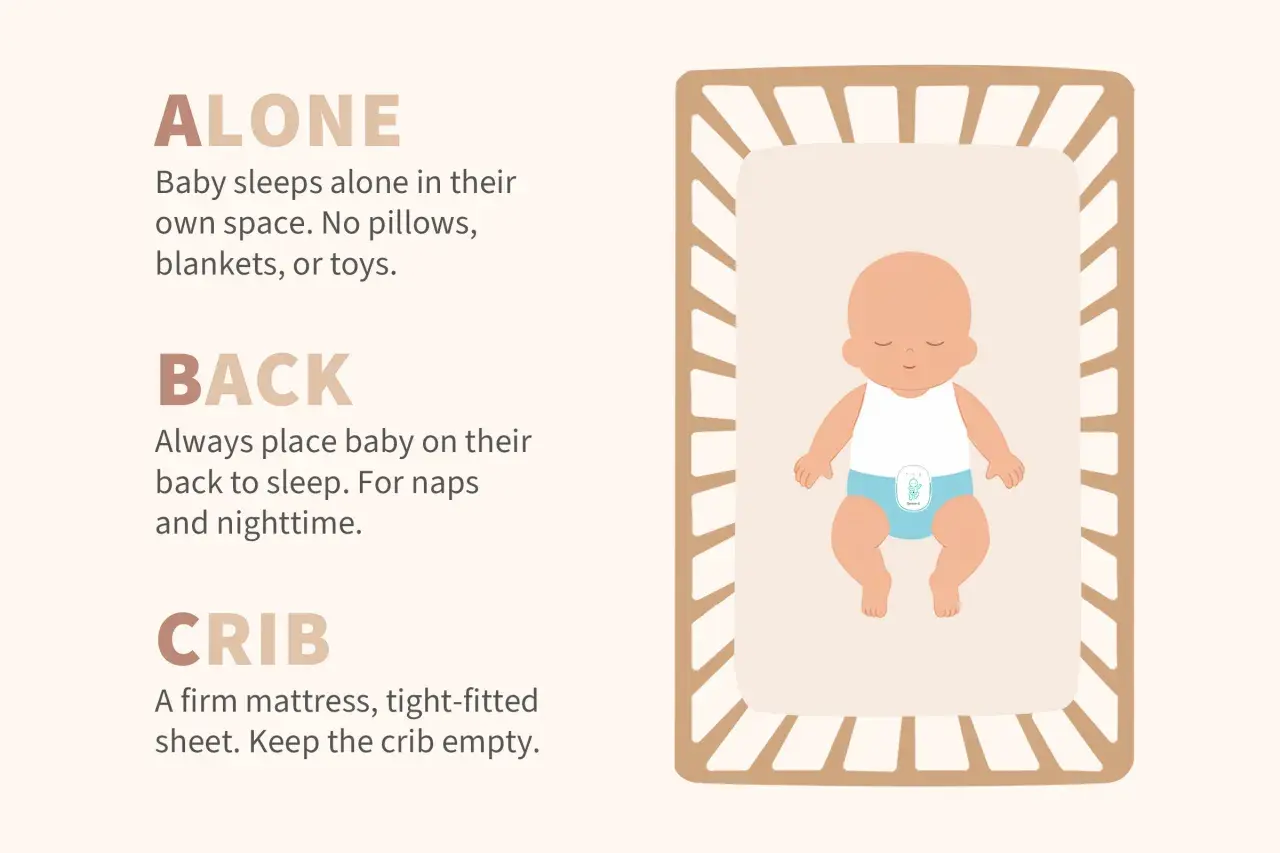
- Use a bassinet made for infant sleep, with a firm, flat mattress and a fitted sheet only.
- Place baby on the back for every sleep and keep the sleep space empty.
- Room-share for the early months, but keep the baby in a separate sleep surface.
- Move on as soon as the baby reaches the bassinet’s limits or starts rolling, pushing up, or sitting with support.
- A bassinet is a short-term newborn tool; a crib is usually the longer runway.
Can babies sleep in a bassinet safely
Yes, for many newborns, a bassinet is an acceptable sleep space when it is designed for sleep and used the way the manufacturer intended. The AAP recommends a separate sleep surface with a firm, flat mattress, a fitted sheet, and back sleeping. That is the real standard, not the marketing label on the box.
I treat a bassinet as safe only if it behaves like a dedicated sleep surface, not a lounger, prop, or incline device in disguise. If it depends on an angle, thick padding, or accessories that change the fit around the baby, I pass.
That makes the next question more important than the yes-or-no answer: what exactly should you check before putting a baby down?
What makes a bassinet safe for sleep
When I evaluate a bassinet, I ignore style first and check whether it supports safe sleep basics. A pretty frame is irrelevant if the sleep surface is soft, tilted, or cluttered.
| What I check | What good looks like | Why it matters |
|---|---|---|
| Sleep surface | Flat, firm, and not inclined | Helps prevent the baby from sliding into unsafe positions |
| Mattress and sheet | Original mattress pad plus a fitted sheet, nothing loose | Reduces suffocation and entrapment hazards |
| Product design | Stable frame, no wobble, no missing parts | Keeps the sleep space from tipping or collapsing |
| Manufacturer limits | Used only within the listed weight, height, or mobility limit | Prevents outgrowing the space too early |
| Extras | No pillows, nests, bumpers, or aftermarket inserts | Soft add-ons change the safety profile fast |
I do not count breathable mesh or fancy fabric as a substitute for the basics. The CDC also recommends keeping the baby’s sleep area in the same room where you sleep, ideally until at least 6 months old, which is one reason bassinets are so popular for the newborn stage. The point is convenience without turning the adult bed into the sleep surface.
Once the setup is safe, the next practical issue is knowing when the bassinet has done its job.
When a bassinet stops being the right choice
There is no universal age when every baby has to leave a bassinet, but there are hard stop signs. The moment your baby reaches the manufacturer’s weight or length limit, starts rolling, or can push up onto hands and knees, I move them out. Many babies begin rolling around 3 to 4 months, sometimes earlier, which is why bassinets are usually a short chapter rather than a long one.
- The baby can roll from back to side or stomach, or is clearly trying to.
- The baby can push up on hands or knees.
- The baby can sit with support and is getting more mobile.
- The baby looks cramped, with feet or head close to the ends.
- The product label says to stop, even if the baby looks comfortable.
I do not stretch bassinet use just because it still fits “well enough” for naps. Once movement becomes active, a crib usually gives more room and a better long-term margin.
That is why the bassinet-versus-crib choice matters more than many parents expect.

How I set up a bassinet for the first night
The setup is where safe sleep either stays simple or gets cluttered. I keep the rule set boring on purpose.
- Put the bassinet on a flat, stable floor beside your bed, not on a couch, chair, or other elevated surface.
- Use only the mattress or pad that came with the bassinet, plus a fitted sheet if the manual allows it.
- Place baby on the back for every sleep.
- Use a swaddle only if the baby is not showing signs of rolling and the swaddle itself is allowed; once rolling starts, switch to a wearable blanket.
- Keep blankets, toys, pillows, wedges, positioners, and cords out of reach.
- Check that the bassinet has no gaps, tears, or loose hardware before each sleep.
If the mattress does not sit snugly or the bassinet shifts when I touch it, I stop and fix that before using it. A good bassinet setup should feel plain, stable, and almost forgettable.
Once the product is set up correctly, the remaining decision is really about choosing the right sleep space for the next few months.
Bassinet vs crib vs bedside sleeper
I like this comparison because it keeps the choice practical, not emotional. The right option depends on space, how long you want to use it, and how much nighttime access matters to you.
| Option | Best for | Strength | Watch-out |
|---|---|---|---|
| Bassinet | Early newborn months and small bedrooms | Compact, easy to place beside the adult bed | Short lifespan and strict size limits |
| Crib | Families who want one sleep setup to last longer | More room as the baby grows and moves more | Takes more floor space |
| Bedside sleeper | Parents who want close reach without bed-sharing | Keeps the baby nearby while still separate | Must fit the bed correctly and meet sleep-product requirements |
For many families, I see a bassinet as a convenience tool and a crib as the long-term anchor. If space is tight from day one, I usually think harder about whether a crib or bedside sleeper makes more sense than buying a bassinet that will be outgrown quickly.
No matter which one you choose, the biggest risks usually come from small additions, not from the box itself.
Mistakes that quietly make a bassinet unsafe
Most bassinet problems start when adults try to make sleep look cozier, quieter, or more convenient. That instinct is understandable, but it is usually where the risk creeps in.
- Adding soft items such as pillows, bumpers, nests, or extra padding.
- Using an incline or rocking setting for routine sleep instead of a flat surface.
- Keeping the bassinet in use too long after the baby starts rolling or pushing up.
- Swaddling too late once rolling signs appear.
- Reusing a hand-me-down without the original parts, manual, or clear model information.
- Placing it on an unstable surface or anywhere the frame can shift.
I skip anything that claims to improve sleep by making the bassinet softer or more contained. In practice, “cozier” usually means less safe.
If you are buying new or inheriting one, I would do one more check before trusting it.
What I would check before buying or reusing one
When I evaluate a bassinet for a nursery, I care less about the trend and more about whether I can trust it every single night. Secondhand gear can be fine, but only if I can verify its condition and history.
- The exact model is known, and the manual is available.
- The bassinet has not been modified with aftermarket inserts or replacement parts that change the fit.
- All hardware is present, tight, and original to the product.
- The mattress fits snugly with no visible gaps at the edges.
- The frame, mesh, fabric, and seams are free of damage, stretching, or tears.
- The product has not been outgrown by age, mobility, or the posted limits.
- I can confirm it was intended for infant sleep, not just for lounging or supervised rest.
If I cannot confirm the model or the parts, I pass. A bassinet should make newborn life easier, not add uncertainty to every nap.
For me, the safest bassinet is the one that stays flat, empty, and temporary. If a product needs extra inserts, an incline, or a clever workaround to feel useful, I treat that as a sign to choose a simpler sleep setup instead.
