Do I need a crib? Not necessarily. The real issue is whether your baby has a safe, separate sleep surface that fits your space, budget, and routine. In this guide I break down when a crib is useful, which alternatives are safe, and what to avoid if you want a simpler setup that still follows current U.S. safe-sleep guidance.
What matters most when you are choosing a sleep space
- A crib is helpful, but it is not the only safe sleep option.
- The key requirement is a separate infant sleep surface with a firm, flat mattress and a fitted sheet.
- Room-sharing matters more than owning a full nursery setup; baby should sleep in your room for at least the first 6 months.
- Bassinet, crib, portable play yard, and bedside sleeper can all work if they are used correctly.
- Soft bedding, sleep positioners, couches, and armchairs are the real problems to avoid.
- If you want one purchase that lasts the longest, the crib usually wins on durability, not on necessity.
The short answer for most families
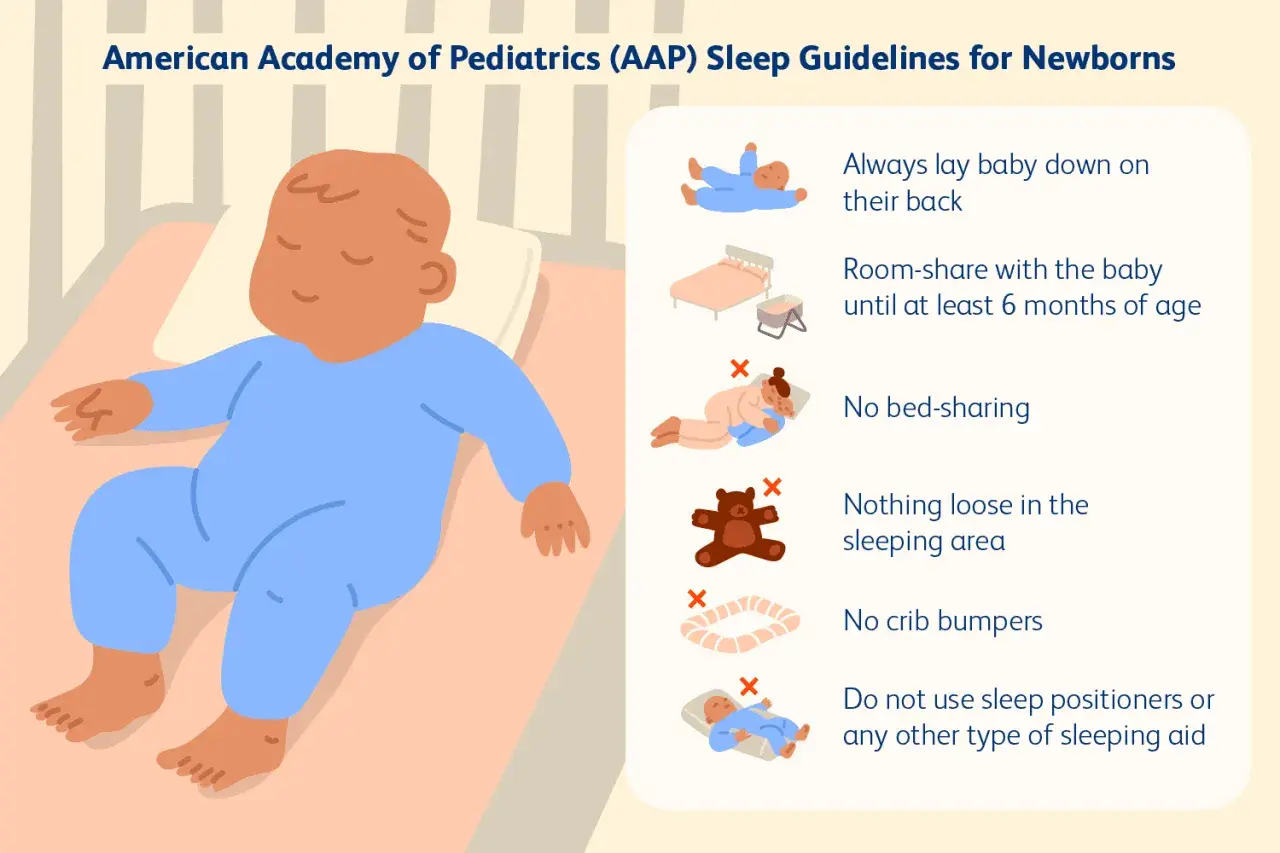
No, you do not necessarily need a crib on day one. The American Academy of Pediatrics recommends room sharing with a separate sleep surface for at least the first 6 months, and the key word there is separate. A baby needs a safe place of their own, but that place can be a crib, bassinet, portable play yard, or bedside sleeper if it is built and used correctly.
That is why I do not treat the crib as a medical requirement. I treat it as the most durable default. If your baby is a newborn and a bassinet fits your room and routine, that can be the smarter move. If your baby is already close to outgrowing a bassinet, going straight to a crib may save you from buying twice.
How the main sleep options compare
Safe sleep products include cribs, bassinets, play yards, and bedside sleepers that meet federal requirements. In real life, each one solves a different problem: portability, room-sharing, longevity, or convenience. Here is the simplest way I break them down.
| Option | Best for | Strengths | Limits |
|---|---|---|---|
| Crib | Long-term nursery use | Lasts through infancy and often into toddlerhood; stable and roomy | Less portable; costs more upfront than a bassinet |
| Bassinet | First months at bedside | Small, easy to fit beside the bed, convenient for night feeds | Short usable window; weight and movement limits vary by model |
| Portable play yard | Travel and small spaces | Can work at home and on trips; often the most flexible all-in-one choice | Bulkier than a bassinet; may not feel as nursery-like |
| Bedside sleeper | Very close room-sharing | Keeps baby nearby without placing them in the adult bed | Only useful for a limited stage and only if used exactly as designed |
If you are deciding between a crib and a bassinet, ask one question first: how long do I need this product to work? If the answer is “for the first few months only,” a bassinet can make sense. If the answer is “I want one safe sleep space that can carry us through the first year and beyond,” the crib usually becomes the better investment.
When a crib becomes the better buy
There is a point where the crib stops being optional and starts being the practical choice. I usually see that happen when one of these things is true:
- Your baby is nearing the bassinet’s weight or movement limit.
- Your baby is rolling, pushing up, or getting too long for the smaller sleep space.
- You want a single setup that will not need to be replaced in a few months.
- Your nursery is already set up and you want a dedicated, stable sleep area.
- You are using a hand-me-down setup and want to move to a current, safety-compliant crib instead.
The hand-me-down point matters more than many people realize. Older cribs can have missing hardware, worn mattresses, or outdated designs. If you buy used, you need to be picky; if you cannot verify the product’s condition and safety status, I would rather see you choose a new sleep space than gamble on a questionable one.
How to set up a safe sleep space without a crib
If you skip the crib at first, the setup still needs to be boring in the best possible way: firm, flat, level, and empty. That means no pillows, no loose blankets, no stuffed toys, and no positioners. It also means the baby should always sleep on their back unless your pediatrician has given you a specific medical reason to do otherwise.
- Put the bassinet, bedside sleeper, or play yard in your room.
- Use only the mattress or pad that came with the product, plus a fitted sheet if the instructions allow it.
- Keep the sleep area bare.
- Move the baby back to the safe sleep space if they fall asleep in a swing, car seat, stroller, or on your shoulder.
- Keep the sleep surface away from cords, curtains, and anything that can fall into it.
The practical advantage here is obvious: you get proximity without sharing a bed. That reduces the number of risky middle-of-the-night improvisations, which is where a lot of avoidable mistakes happen.
What to avoid even if it seems convenient
This is the section I wish every new parent could read before the nursery gets cluttered. A lot of baby products look sleep-friendly, but they are not designed for routine sleep. Couches, armchairs, swings, loungers, pillows, blankets, and soft bumpers are the big ones to keep out of the sleep zone.
I also tell parents to be cautious with anything inclined or semi-reclined. When a baby’s head tips forward, the airway can get blocked. That is why a flat sleep surface matters so much more than a cushy one. If a product is made for soothing, sitting, or supervised lounging, that does not make it a safe overnight bed.
One of the most common mistakes is thinking, “My baby only fell asleep there for a minute.” That minute is exactly when you move them. Good sleep setup is less about perfection and more about refusing to normalize shortcuts.
A simple rule for choosing between a crib and the alternatives
When parents ask me how to decide, I give them a very plain filter.
- Choose a bassinet if you want a small bedside setup for the earliest months and your baby still fits comfortably.
- Choose a portable play yard if you need one product that can handle home sleep, travel, and occasional daytime use.
- Choose a crib if you want the longest lifespan and the most nursery permanence.
- Choose a bedside sleeper only if you know you will use it exactly as directed and only for as long as the manufacturer allows.
If budget is the deciding factor, I lean toward the option that gives you the safest sleep with the least friction in your home. For many families, that is a play yard. For others, especially if they already know they want a long-term nursery fixture, the crib is the cleaner buy. The right answer is the one you will actually use correctly every night.
The decision I would make before buying anything
If I were setting up a nursery from scratch, I would not rush to buy a crib unless I knew the baby would need it soon. I would first ask where the baby will sleep for the first 4 to 6 months, how much room I have beside the bed, and whether I want one purchase that lasts longer than the newborn stage.
So the practical answer is this: you need a safe sleep space, not necessarily a crib. Start with the simplest option that meets safety rules, then move to a crib when your baby outgrows the smaller setup or when a longer-term nursery bed makes more sense for your home. If the sleep surface is firm, flat, bare, and separate from your bed, you are already making the right decision.
