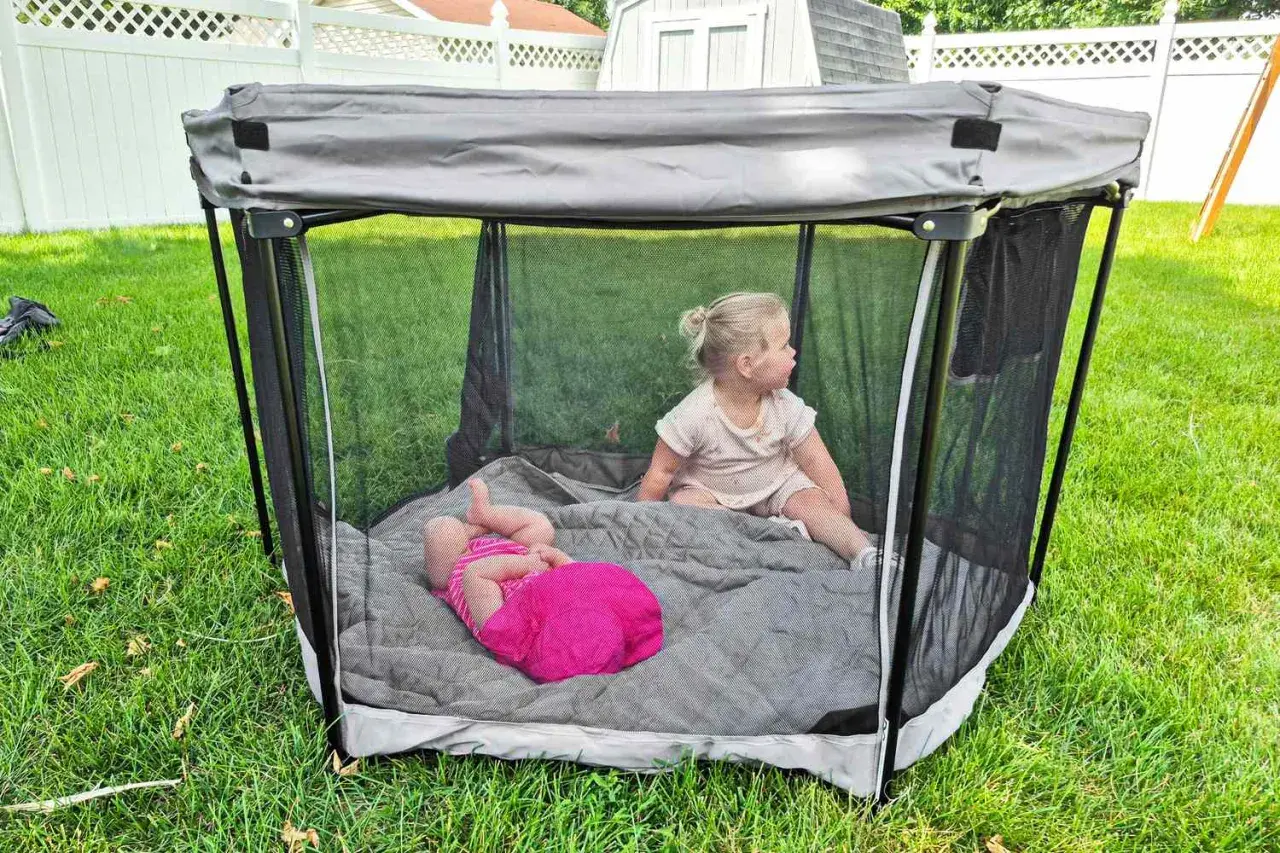
The usual answer is simple: a baby's bed is called a crib. In practice, though, I see parents use a few different terms depending on the baby's age and the type of sleep space, especially bassinet, cradle, and play yard. This article breaks down what each name means, how they differ, and what matters most when you're choosing a safe nursery setup.
The usual answer is a crib, but the right term depends on age and design
- Crib is the standard U.S. term for a baby bed.
- Bassinet usually means a smaller sleep space for the earliest months.
- Cradle is less common today and often refers to a rocking infant bed.
- Play yard or portable crib is the foldable option many families use for travel or small spaces.
- The safest choice is the one that matches your baby's stage, not just the name printed on the product box.
When I talk about nursery basics, I use crib as the default term because it is the most familiar name for an infant sleep bed in everyday U.S. English. It usually means a stationary sleep space with high sides, built for regular use in the nursery rather than for carrying a newborn from room to room. That is why product listings, baby registries, and most parenting conversations treat "crib" as the general category.
Other words narrow the meaning. A bassinet is smaller and temporary, a cradle often suggests a rocking design, and a play yard is more portable. Once you separate those categories, the shopping decision becomes much easier, which is exactly why I like to compare them side by side before getting into safety and setup.

How crib, bassinet, cradle, mini crib, and play yard differ
These labels are easy to mix up, but they are not interchangeable. I find it helpful to compare them by size, use case, and how long a baby can stay in each one.
| Term | Typical use | Main advantage | Main limitation |
|---|---|---|---|
| Crib | Standard nursery sleep space for infants | Long-term, familiar, widely available | Takes more room than smaller baby beds |
| Bassinet | Newborn sleep space kept close to the parent | Small footprint and easy room-sharing | Outgrown quickly |
| Cradle | Traditional rocking or stationary infant bed | Compact and soothing for some families | Less common now and not always the most practical choice |
| Mini crib | Smaller crib for tight spaces | More compact than a full-size crib | Shorter usable window than a standard crib |
| Play yard | Portable sleep and play setup | Foldable and useful for travel or secondary sleeping space | Usually not the most spacious long-term nursery option |
A crib is the long-term nursery staple, while a bassinet is usually the short-term newborn option. A cradle sits somewhere in between as a traditional term, but it is far less common in modern U.S. nurseries. A play yard is the flexible backup when you need portability, and a mini crib fills the gap for families with limited space. Once you know those differences, the next question is safety, because the best baby bed is still the one used correctly.
What actually makes a baby bed safe
The label is only the starting point. Safe sleep depends on the surface and on what is not in the bed.
- Use a firm, flat mattress with a fitted sheet only.
- Keep pillows, loose blankets, bumpers, plush toys, and positioners out of the sleep area.
- Place the baby on the back for sleep.
- Use products that meet current federal requirements for their category.
- Follow the product's age, weight, and rolling limits instead of guessing.
The AAP's safe-sleep guidance is especially practical here: room-share without bed-sharing, and move a baby to a proper sleep surface if they drift off somewhere unsafe. I would rather see a plain, compliant crib with nothing extra in it than a beautiful setup that looks nursery-ready but does not support safe sleep. With that baseline in place, choosing the right type becomes a lot less confusing.
How I would choose the right option for each stage
If I were setting up a nursery from scratch, I would think in stages rather than chasing one perfect product.
- Newborn stage - A bassinet makes sense if you want the baby close to your bed and need a smaller footprint.
- Everyday nursery use - A crib is the best all-purpose choice because it gives you more long-term value.
- Small-space or travel use - A play yard can be a practical second sleep space when portability matters.
- Older infant transition - Once a child outgrows the bassinet or starts meeting its movement limits, the crib becomes the default.
If you are planning ahead, it also helps to know that a toddler bed is a separate category, not just another baby bed. In U.S. standards, it is intended for a child at least 15 months old and no more than 50 pounds, which gives you a clear benchmark for the next step after the crib. From there, the biggest problems tend to come from avoidable mistakes, not from the terminology itself.
Common mistakes that create confusion or risk
A lot of nursery problems start with sloppy assumptions. I see the same few mistakes come up again and again.
- Calling any infant sleep product a crib, even when it is actually a bassinet or play yard.
- Using a soft mattress, extra padding, or an aftermarket insert because it looks more comfortable.
- Buying a secondhand bed without checking the model, recall status, or missing hardware.
- Keeping a baby in a bassinet after the product's limit has clearly been reached.
- Using a couch, adult bed, or lounger as a regular sleep space.
Those mistakes matter because the risk is usually not the furniture name itself; it is the mismatch between the product and the baby's size, movement, or sleep habits. If you remove that mismatch, the terminology becomes a lot less mysterious and a lot less important.
The simplest way to name the bed and buy the right one
If I had to reduce the whole topic to one clean rule, I would say this: crib is the standard U.S. term for a baby's bed, while bassinet, cradle, and play yard describe narrower versions with different uses. That is the practical answer most readers need, and it is usually enough to shop, compare products, or talk clearly with another parent.
When the label on the box is vague, I ignore the marketing language and check the product category, sleep purpose, size limits, and safety standards. That small habit prevents most buying mistakes, and it keeps the focus where it belongs: on a safe, age-appropriate sleep setup for the baby.
