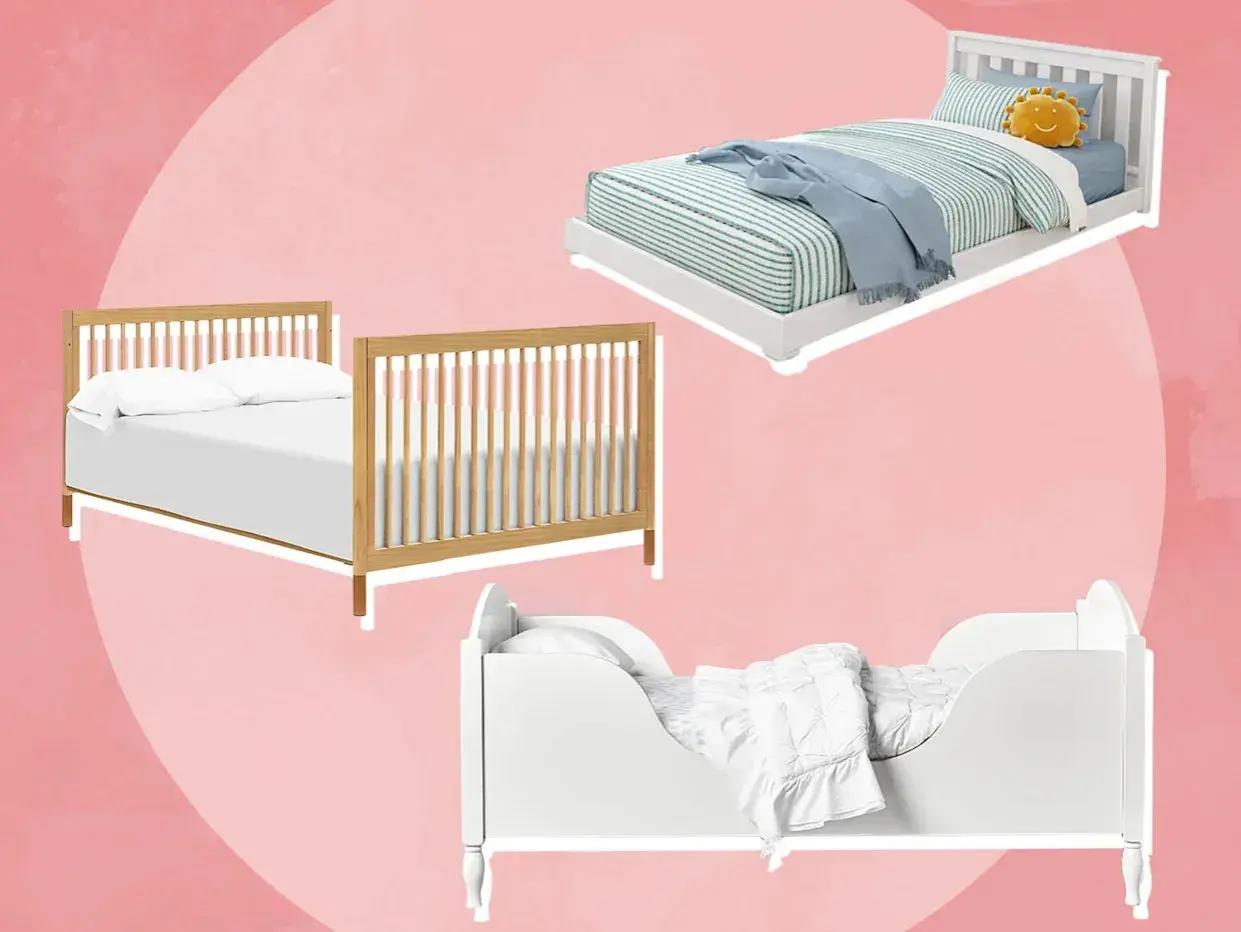
Parents often want a direct answer to what kind of bed should a 1 year old be in, and the honest answer is usually simpler than they expect. For most children at this age, a crib or a CPSC-approved play yard with a firm mattress and fitted sheet is still the safest setup. The right time to change usually comes when the child can climb out, is nearing the crib’s size limit, or the room can be made safe for a lower bed.
The safest setup for most one-year-olds is still a crib or play yard
- A crib is still the default choice if your child sleeps well and cannot climb out.
- Use a firm, flat mattress with a fitted sheet only.
- Move to a toddler bed when the crib stops containing your child safely.
- A full-size adult bed is usually too open and too high for a 1-year-old.
- If you switch beds, childproof the room first, not after the move.
The safest answer for most one-year-olds
In practical terms, I usually start with the crib. The American Academy of Pediatrics still points parents toward a firm, flat sleep surface with nothing but a fitted sheet, and that advice remains the cleanest baseline for a 1-year-old who is not escaping the crib. If your child still sleeps well there, there is no benefit in rushing into a bigger bed just because the first birthday passed.
A crib keeps the sleep space predictable. It limits falls, reduces wandering at night, and gives your child fewer chances to get tangled in loose bedding or climb onto unsafe furniture. That matters even more in the one-to-two-year window, when toddlers are mobile enough to explore but not usually mature enough to stay safely in an open bed without help.
If you are still room-sharing, that can be fine as long as your child has their own sleep space. Bed-sharing is a different decision, and I would not treat it as the same thing as sharing a room. The room may be shared; the sleep surface should still belong to the child.
That gives you the baseline. The next question is when a crib is still the right choice and when it is starting to become a problem.
When the crib is still the right call
Many one-year-olds are still perfectly fine in a crib, and some can stay there well past that point. Under CPSC crib standards, cribs are designed for children up to 35 inches tall, but the more important real-world question is whether your child is starting to climb out or use the rails as a launching point.
- Your child stays safely inside the crib during naps and overnight sleep.
- The mattress can be lowered and the child still cannot climb out easily.
- The crib is not damaged, missing parts, or recalled.
- The manual’s height or weight limits have not been reached.
If all of that checks out, I would usually keep the crib. Turning one does not automatically mean the child is ready for a new bed. In fact, many families do better by keeping the crib as long as it still works, because the child already understands the boundary and the bedtime routine stays simple.
Once the crib stops being safe to contain your child, though, the conversation changes fast. That is when a toddler bed starts to make sense.
When a toddler bed makes sense
A toddler bed is usually the next step when the crib is no longer doing its job. The most common trigger is climbing out. If your child can get out on their own, the crib has become a fall risk instead of a protective barrier, and that is the point where I would consider a lower bed.
- Your child can climb out of the crib reliably.
- Your child is close to the crib’s size limit and seems cramped.
- You are ready to childproof the room and manage more nighttime wandering.
- Your child is beginning to understand a simple bedtime routine.
A toddler bed works because it stays low to the ground and usually has side rails or open sides that are easier to climb in and out of safely. It gives a little independence without jumping all the way to a full-size bed. For many families, that is the best compromise. It is also the point where consistency matters more than the furniture itself, because a determined toddler will test the new boundary almost immediately.
If you move too early, expect some bedtime chaos. If you wait until the crib is being escaped from, you are already behind the safety curve. That is why I think the room matters just as much as the bed.

Crib, toddler bed, floor bed, or adult bed
| Option | Best for | Why it works | Main caution |
|---|---|---|---|
| Crib | Most one-year-olds | Contained, familiar, and still the safest default when the child is not climbing out | Must meet safety standards and fit the child’s size and mobility |
| Toddler bed | Children who are escaping the crib | Low to the ground, easier transition from crib life, often uses familiar bedding | Requires more supervision and a safer room |
| Floor bed | Families who want maximum independence in a fully childproof room | Very low fall risk and easy for the child to get in and out of | Depends heavily on room safety and clear boundaries |
| Adult bed | Usually older toddlers and children, not most 1-year-olds | Can be practical later, especially with a low frame and guardrails | Too open, too high, and too easy to roll out of at this age |
If I had to pick one option for a typical 1-year-old, I would still choose the crib first. If the crib is no longer safe because your child is climbing out, I would move to a toddler bed or a carefully prepared floor bed before jumping straight to an adult bed.
The important takeaway is that the bed is only part of the setup. Once a child can leave the bed on their own, the room has to be treated like part of the sleep system.
How to make the room safe before the switch
Before moving a child out of the crib, I like to walk through the room with the same mindset I would use for a new walker. Anything climbable, tip-prone, sharp, dangling, or breakable should be dealt with first. If the room is not ready, the new bed creates more risk than it solves.
- Anchor dressers, bookshelves, and other tall furniture to the wall.
- Use window guards or locks and keep blind cords completely out of reach.
- Put a gate on stairs if there is any chance of nighttime wandering.
- Move cords, lamps, chargers, and monitors away from the bed.
- Remove large toys or furniture the child could use to climb.
- Keep the floor clear so midnight exits do not turn into tripping hazards.
If you are using a floor bed, I would be even more strict. Keep it away from heaters, cords, windows, and heavy furniture. The lower the bed is, the less fall risk you have, but the room still has to be safe enough that a half-asleep toddler cannot wander into trouble.
Once the room is ready, the final step is avoiding the sleep products that look harmless but create the biggest problems.
What I would avoid in a one-year-old’s sleep setup
This is where many nursery setups go wrong. A one-year-old does not need a prettier sleep space; they need a simpler one. I would keep the sleep area as plain as possible, especially if the child is still in a crib.
- Loose blankets, pillows, quilts, and comforters in the crib
- Crib bumpers and soft padding around the rails
- Inclined sleepers or any surface that is not flat
- Soft mattress toppers that change the firmness of the sleep surface
- Bed-sharing as a routine sleep arrangement
- Stuffed items that crowd the sleep space before the child can manage them safely
Flat and firm still matters here. A sleep surface that inclines more than 10 degrees is not considered safe for sleep, and anything soft enough to indent deeply under the child’s weight works against the whole point of a safe setup. If you are tempted to add “just one more cushion” or a decorative bedding layer, that is usually the wrong direction.
At around 12 months, some families begin to think about a blanket or a more grown-up bed style, but I would still keep the transition cautious. Simpler bedding, lower furniture, and fewer objects near the face are all doing real work.
The rule I use when a crib starts feeling too small
My rule is straightforward: if the crib still contains the child safely, keep using it. If the child can climb out, lower the bed immediately and move to a safer, lower option as soon as the room is ready. I do not move a healthy 1-year-old into a big bed just because they look older; I move them when the current setup stops being safe.
That usually means a crib for longer than people expect, then a toddler bed or floor bed when the child’s mobility makes the crib risky. A full-size adult bed can wait. If your child has medical, developmental, or sleep concerns that make the choice less obvious, check with your pediatrician before changing the setup. The safest answer is usually the least dramatic one, and for many one-year-olds that still means one more season in the crib.
