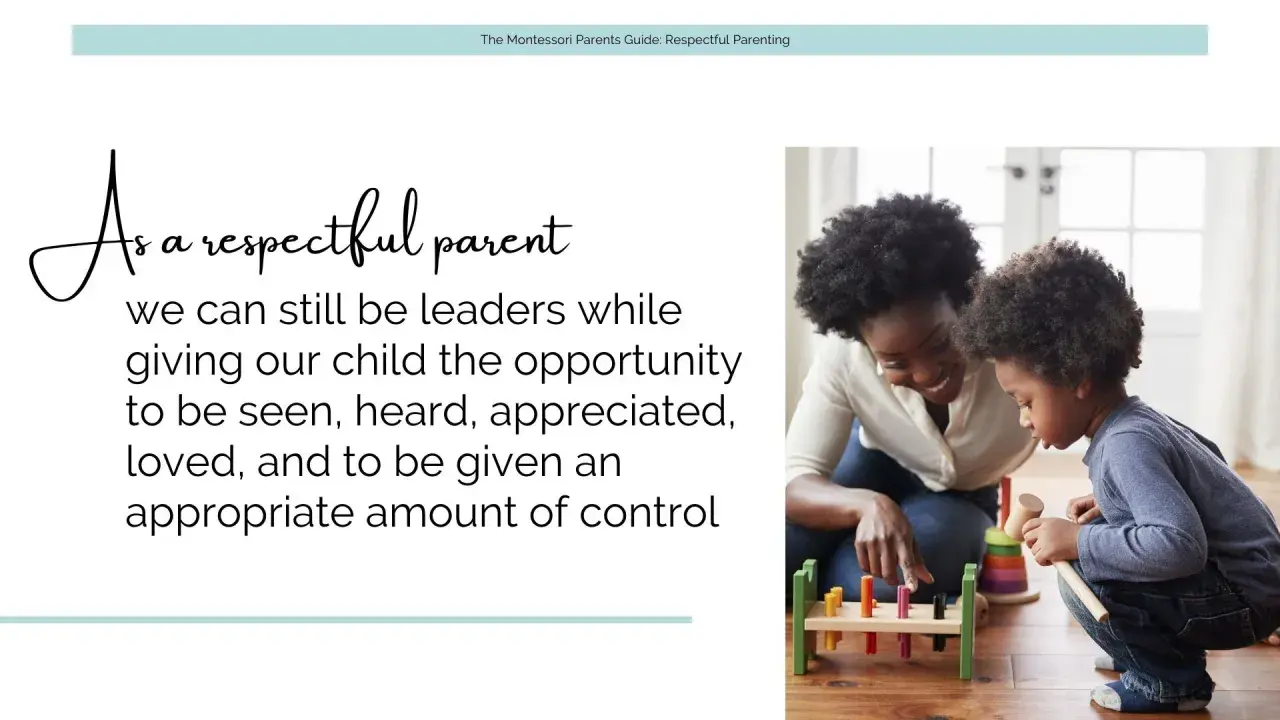
Montessori play is less about entertainment and more about purposeful activity that helps children build concentration, independence, and practical skill. In a Montessori setting, the environment is prepared so a child can choose a material, repeat it, and finish it without constant adult interference. That matters whether you are setting up a nursery shelf, choosing toys for home, or trying to understand why a simple pouring task can be more valuable than a noisy gadget.
What you need to know before buying or setting up Montessori materials
- Montessori play is child-led, hands-on, and designed for repetition rather than constant novelty.
- The adult prepares the environment, then steps back and observes instead of directing every move.
- Good Montessori materials are usually simple, real, self-correcting, and matched to a child’s developmental stage.
- At home, fewer toys and smarter rotation usually work better than a crowded shelf.
- Strong results come from consistency: calm space, clear boundaries, and activities the child can actually finish.
What Montessori play actually looks like
I think the easiest way to read Montessori is through the child’s level of control. The child is not being entertained by an adult-driven activity; the child is doing something real, with a clear beginning, middle, and end, while the adult watches the rhythm of engagement.
AMI treats this kind of activity as serious and practical rather than trivial, and AMS describes the method through hands-on materials, child-directed work, and uninterrupted work periods. In practice, that means a child might be pouring water, matching cylinders, washing a table, tracing sandpaper letters, or rebuilding the same tower again and again. The repetition is not a side effect. It is the point.
| Feature | Montessori play | Less suitable approach |
|---|---|---|
| Child role | Chooses, uses, and repeats a task independently | Waits for adult direction or entertainment |
| Material design | One clear purpose, real action, often self-correcting | Many functions, lights, sounds, and rewards |
| Adult role | Demonstrates briefly, then observes and protects focus | Coaches every move or turns the task into a performance |
| Learning rhythm | Slow, repeated, concentrated, and complete | Fast switching, novelty chasing, shallow attention |
| Typical result | Mastery, independence, and calm concentration | Excitement without much follow-through |
I also want to clear up one common misunderstanding: Montessori is not anti-imagination. It is reality-first. Children usually need a strong base of touch, movement, order, and real-world experience before pretend play becomes genuinely rich rather than random. Once you see that pattern, it becomes easier to tell the difference between a material that supports development and one that only fills space.
Why this approach matters for development
Montessori play works because it connects the hand, the senses, and the mind. The child learns by doing, and that doing builds more than one skill at a time.
- Independence. A child who can fetch, pour, fasten, sort, and put things back begins to feel capable, not dependent on constant help.
- Concentration. Repetition with a task that is neither too easy nor too hard keeps attention in one place long enough for real learning to happen.
- Coordination. Small actions such as scooping, threading, and stacking refine both fine motor control and visual tracking.
- Language. When the materials are real and the adult uses exact names, the child gets vocabulary that sticks to a concrete experience.
- Self-regulation. Children practice waiting, finishing, and resetting the environment, which is a quiet but important form of executive function.
That is why simple activities often outperform elaborate toys. They ask the child to think, move, and notice. They also leave enough room for mastery, and mastery is what makes a child come back willingly. The next question is not whether the idea works, but how it changes as children get older.
How Montessori play changes by age
Readiness matters more than the calendar, but age still gives you a useful starting point. The kind of activity that fascinates a toddler will usually frustrate an infant or bore a five-year-old.
| Age range | What it tends to look like | Good examples | What to avoid |
|---|---|---|---|
| Birth to 18 months | Sensory exploration, grasping, movement, and cause-and-effect | Mobiles, grasping rings, baskets, mirrors, and low mats | Overstimulating toys, flashing electronics, too many options |
| 18 months to 3 years | Practical life, sorting, pouring, simple puzzles, and naming objects | Spooning trays, nesting cups, dressing frames, shape sorters, picture books | Toys that only make noise or require constant button pressing |
| 2.5 to 6 years | Coordination, sequencing, early math and literacy, longer concentration | Pink tower, sandpaper letters, moveable alphabet, counting beads | Worksheets too early, overcomplicated games, constant screen-based play |
| 6 to 12 years | Projects, research, building, collaboration, and responsibility | Maps, science kits, woodworking, cooking, garden care | Passive consumption and activities with no real outcome |
If you are setting up a home space, the age band is only half the story. Interest, coordination, and prior experience matter just as much. A child who has never poured water independently may still need a toddler-style task even if the child is a little older chronologically. With that age map in mind, choosing the right shelf materials becomes much less random.

How to choose Montessori-friendly toys and materials at home
When I choose materials for a Montessori-style shelf, I look for three things first: a single clear purpose, a real physical action, and the possibility of repetition. If a child can understand what to do without a long adult script, the activity is much more likely to hold attention.
The prepared environment is simply a space arranged so the child can choose, use, and return materials without depending on an adult for every step. That is why the best shelves are quiet, reachable, and intentionally limited.
- One idea per material. A puzzle teaches shape discrimination; a pouring tray teaches control; a basket of blocks teaches balance and construction. The task should not compete with itself.
- Real objects where it is safe. Child-size pitchers, metal spoons, cloths, and small brooms teach more than pretend versions because the child feels the weight, texture, and consequence.
- Self-correcting design. Good Montessori materials let the child notice mistakes without waiting for an adult to announce them.
- Accessible size and weight. If the child cannot carry, place, or return the material independently, the shelf is doing too much for the child.
- Quiet visual design. Simple shapes and limited clutter make it easier for the child to focus on the task instead of the packaging.
- Enough challenge, not too much. The activity should stretch the child slightly. If success is instant, interest fades; if failure is constant, the material gets ignored.
For a home shelf, I would rather see six well-chosen items than twenty random ones. A set of nesting cups, a simple wooden puzzle, a bead threading tray, a pouring pitcher, a basket of cloths, and a few board books can cover a surprising amount of developmental ground if the child can reach them and use them freely.
Common mistakes that make the setup less Montessori
Most bad setups fail for boring reasons, not philosophical ones. The room is too full, the adult talks too much, or the toys do all the work.
- Too many choices at once. A crowded shelf looks generous, but it usually creates shallow attention and faster mess.
- Entertainment disguised as learning. A toy that flashes, sings, and rewards button presses may hold attention briefly without asking the child to think or coordinate.
- Performing instead of participating. When adults keep correcting, narrating, or rushing, the child loses ownership of the task.
- Rotating too fast. If materials change before the child has repeated them enough, the deep learning never lands.
- Confusing minimalist decor with Montessori practice. A beautiful beige room is not Montessori if the child cannot reach, choose, and return anything independently.
- Buying for the shelf, not for the child. The best material is the one the child actually uses, not the one that photographs well.
My rule of thumb is simple: if the child needs constant rescue, the setup is too advanced or too crowded. Once that is fixed, you can move on to the part that matters most in daily life, which is how to start without rebuilding the entire room.
A realistic way to start without rebuilding the nursery
You do not need a full classroom to use Montessori principles well at home. You need a small system that your child can actually use every day.
- Observe for a few days. Notice what your child repeats voluntarily, not what you hope the child will like.
- Choose one clear activity per skill. Pick a pour, a sort, a puzzle, a book basket, or a dressing task rather than stacking several similar toys together.
- Place it low and visible. If the child can see it, reach it, and return it, independence starts to happen naturally.
- Demonstrate once, slowly. Short and exact is better than enthusiastic and complicated.
- Wait before changing anything. Repetition is where the value lives, so give the child time to return to the same work.
- Rotate only when interest fades. A material that no longer draws attention can move off the shelf; a material that is still being used should stay.
This approach is usually easier on parents too. There is less clutter to clean, fewer toys to manage, and far less pressure to keep inventing new activities just to fill the day. The last step is remembering what the simplest Montessori setup really needs and what it does not.
What I would keep if I had to start with one shelf
If I had to strip the idea down to the essentials, I would keep a reachable shelf, a handful of complete activities, and an adult who observes more than they interrupt. I would also keep the room calm enough that the child can hear their own thinking, because quiet is not empty in Montessori. It gives the child space to focus.
- A small practical life tray, such as pouring or spooning.
- One sensorial activity that isolates a single skill, like size, shape, or texture.
- A few books or picture cards with real, clear language.
- Tools the child can move independently without help.
- Enough open floor space for carrying, arranging, and resetting.
That is usually enough to make Montessori play feel real at home: not fancy, not noisy, and not overloaded, but purposeful enough that a child can return to it again and again with growing confidence.
