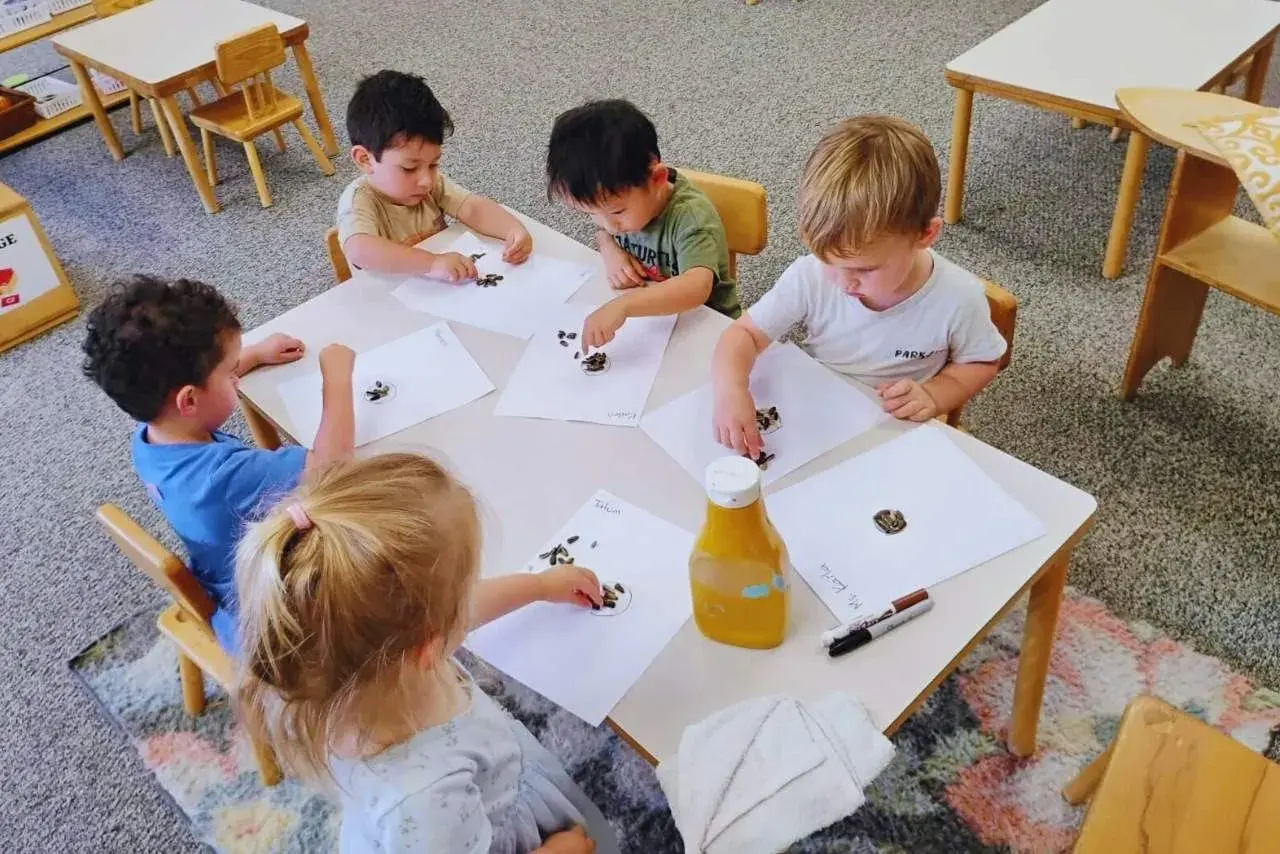
Montessori works best when freedom is real but not chaotic. In this article, I break down how child-led learning actually functions in a Montessori classroom, what it looks like at home, and how to choose toys, nursery essentials, and schools that support it instead of distracting from it. I also cover the trade-offs, because the method is strongest when adults set up the environment well and then stay out of the way for the right reasons.
What matters most in a Montessori approach
- Children choose from a prepared set of activities, not from unlimited clutter.
- The adult guides, observes, and steps back once the environment is ready.
- Long, uninterrupted work periods matter more than constant instruction.
- Practical life tasks, sensory materials, and repetition build real independence.
- At home, fewer toys and more usable tools usually work better than expensive gimmicks.
- A good school tour should reveal order, calm movement, and mixed-age learning.
What child-directed work looks like in a real Montessori classroom
A Montessori room is not a free-for-all. It is a prepared environment, which means the space, materials, and routines are arranged so a child can make a choice, complete it, and return the material independently. The American Montessori Society describes the method as student-directed with uninterrupted work periods, while the Association Montessori Internationale puts the prepared environment at the center. That balance is what keeps the approach calm instead of permissive.In practice, I usually look for four things: low shelves, materials that are easy to return, a teacher who gives short lessons and then observes, and enough time for the child to stay with the work. A child might choose pouring, buttoning, puzzle work, counting beads, or a language activity. The point is not to keep switching tasks. The point is to finish something with focus.
| Classroom element | What it means in practice | Why it matters |
|---|---|---|
| Prepared environment | Materials are visible, reachable, and organized by purpose. | Choice becomes manageable instead of overwhelming. |
| Work cycle | The child chooses, works, cleans up, and chooses again without constant interruption. | Children finish tasks instead of bouncing from one thing to another. |
| Teacher role | The adult gives a brief lesson, then steps back and watches. | The child keeps ownership of the activity. |
| Control of error | The material shows when something does not fit or a step was skipped. | The child can self-correct without waiting for adult approval. |
That structure is why Montessori can feel surprisingly orderly. The freedom is there, but it is never vague. And once you see that, the developmental value makes a lot more sense.
Why this approach helps children build focus and independence
I think the biggest misunderstanding is that child-led learning means children are left to do whatever they want. It is closer to guided independence. The child is free to act, but the environment quietly limits the options to work that is meaningful, manageable, and developmentally appropriate.
That matters because young children learn through repetition and movement. A toddler who pours water ten times is not wasting time. A preschooler who sorts objects, buttons frames, or carries a tray is rehearsing coordination, sequencing, and self-control. In other words, the child is learning how to learn.
- Concentration grows because the child can stay with one task long enough to get absorbed in it.
- Intrinsic motivation grows because the work itself is interesting, not because an adult is constantly rewarding it.
- Executive function, the skills used to plan, start, finish, and shift attention, improves through repeated routines like choosing, working, and cleaning up.
- Practical independence grows through real tasks such as dressing, washing hands, sweeping, and carrying materials carefully.
- Confidence grows when the child can spot a mistake, fix it, and try again without being rescued.
There is also a quieter benefit that adults often underestimate: children begin to trust their own effort. That confidence is one of the reasons Montessori can feel so effective in early childhood, especially when the next step is creating the same logic at home.

How to set up a Montessori-inspired home without overbuying
For families in the United States, the home setup is usually where the method becomes either practical or expensive. My advice is simple: start with the room, not the product list. A good Montessori-inspired space is calm, reachable, and easy to reset. If the child cannot see it, reach it, and return it alone, the setup is doing too much for the child.
| Home element | What I recommend | Common mistake |
|---|---|---|
| Low shelf | Keep 6 to 10 items visible at once, each in a tray or basket. | Filling every shelf with every toy the child owns. |
| Practical life basket | Use real tools such as a small pitcher, sponge, cloth, scoop, or child-safe broom. | Replacing real tasks with toy versions. |
| Movement space | Leave an open mat or floor area for climbing, carrying, and simple gross-motor play. | Turning the room into one large storage unit. |
| Book area | Show a few books face-out so the covers invite use. | Stuffing books spine-out in a deep bin. |
I also prefer rotation over volume. If a child stops using something, put it away for a week or two instead of buying another shelf of distractions. That one habit alone usually improves attention more than any decorative “Montessori” purchase ever will. The same idea becomes even more useful when you start choosing individual toys and nursery pieces.
Which toys and nursery essentials actually fit the method
Not every quiet-looking toy is Montessori-friendly, and not every bright toy is useless. What matters is whether the item gives the child a clear action, a clear result, and a chance to repeat. I look for materials that teach one thing well instead of five things badly.
- Open-ended items are useful because they can be used in more than one way, which keeps the child active instead of passive.
- Self-correcting materials are strong choices because the child can notice the mistake without adult intervention.
- Natural or durable materials usually feel calmer and hold up better than flashy plastic that does most of the thinking for the child.
- Realistic tools such as child-sized pitchers, brushes, and sorting trays connect play to everyday life.
- Age-appropriate challenge matters more than novelty; if the task is too easy, it gets ignored, and if it is too hard, it gets abandoned.
For babies and toddlers, I would lean toward simple grasping objects, nesting cups, stacking toys, object permanence toys, sturdy board books, and sensory items that invite handling rather than noise. For preschoolers, puzzles, dressing frames, pouring sets, sorting trays, and bead work tend to offer better long-term value than electronic toys that keep the child entertained but not involved.
One useful rule I use: if the toy solves the play problem before the child gets started, it is probably doing too much. The best materials leave room for effort. That is what makes them useful not only at home, but also when you are evaluating a school.
What to look for on a school tour in the United States
On a school tour, I pay less attention to the marketing language and more attention to the room itself. Authentic Montessori programs usually make the child’s work visible. You should see order, calm movement, and enough time for a child to settle into an activity without being rushed away from it.
| Tour signal | Good sign | Why I care |
|---|---|---|
| Work time | Long uninterrupted blocks, often 90 minutes or more. | Deep focus is hard without enough time. |
| Room setup | Open shelves, child-height furniture, and clear walking paths. | The environment should invite independence. |
| Adult behavior | The guide observes, gives a short lesson, and steps back. | The child should own the work, not the adult. |
| Peer learning | Younger children watch older ones, and older children model routines. | Mixed-age communities are one of Montessori’s strongest features. |
| Materials | Purposeful, hands-on, and easy to return. | Materials should support concentration, not create clutter. |
I also ask one blunt question: how long is the uninterrupted work period, and what happens when a child is deeply engaged? If the answer sounds rushed, the classroom may be using the label without the practice. A real Montessori space protects the child’s time because time is part of the teaching.
Where Montessori-style setups usually go off the rails
The method usually fails for predictable reasons, and I think it helps to name them clearly. Most problems come from adults mistaking the look of Montessori for the logic of Montessori.- Too much freedom too soon turns a room into noise instead of meaningful choice.
- Too many toys make it harder for the child to settle on one activity.
- Constant adult hovering breaks concentration and sends the message that the child cannot handle the task.
- Toy chores instead of real tasks create imitation without competence.
- Stylish shelves with no purpose look polished but do not actually help the child work.
My rule of thumb is simple: if the child always needs help to start, continue, or finish, the environment is probably too complicated. If the child never gets to make a real choice, the environment is probably too controlled. The sweet spot is narrower than people expect, which is why observation matters so much.
The small changes I would make before buying anything else
If I were setting this up from scratch, I would focus on a few high-impact changes before spending more money. First, I would remove duplicates and keep only the materials the child actually uses. Second, I would add one practical life station with real tools the child can reach. Third, I would keep one visible place for books, one for movement, and one for quiet work.
- Rotate toys instead of displaying everything at once.
- Use trays or baskets to define each activity clearly.
- Keep the language simple and let the child do the work after the lesson.
- Leave safe mistakes alone long enough for the child to notice them.
- Watch what the child returns to naturally, then build from there.
That is the part I keep coming back to: Montessori is less about buying the right brand and more about creating the right conditions. When the room is calm, the tools are usable, and the adult is observant rather than controlling, children usually rise to the level of the environment. And that is where this approach still feels relevant, whether you are choosing nursery essentials, sorting toys, or comparing schools.
