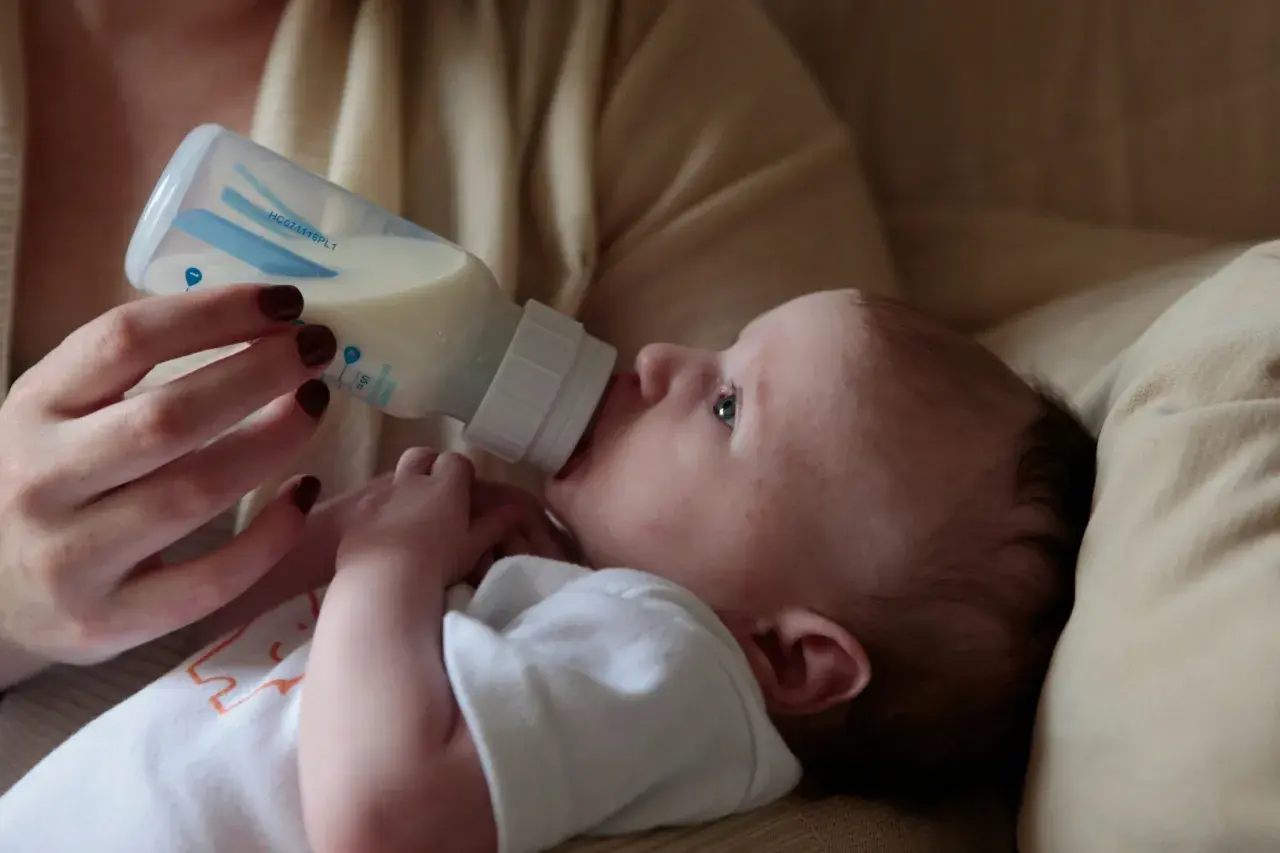
Feeding choices in the first years of life can shape more than comfort and nutrition. Bottle use is usually harmless when it is short-term and age-appropriate, but prolonged sucking habits can influence how the jaws and teeth develop, especially when they continue well past the first birthday. This article breaks down what is actually known, which habits matter most, what signs to watch for, and how to reduce risk without turning feeding into a fight.
The main risk comes from long, repeated sucking patterns rather than from every bottle used in infancy
- Short-term bottle feeding in infancy does not automatically cause crooked teeth.
- The biggest concerns are prolonged use, bedtime bottles, and bottle use combined with pacifiers or thumb sucking.
- Alignment issues most often show up as open bite, overjet, or a narrow upper arch.
- The American Academy of Pediatric Dentistry says habit duration matters more than frequency for many oral habits.
- Most children should move away from bottles around 12 months and stop nonnutritive sucking habits by about 36 months.
The short answer is yes, but with important limits
Bottle feeding does not automatically throw teeth out of line, and I would not treat every bottle as a problem. The risk rises when the habit is frequent, prolonged, or used for soothing rather than feeding, because the developing mouth responds to repeated pressure and tongue posture over time. That is why a child who only uses a bottle briefly in infancy is in a very different category from a toddler who carries it around all day or falls asleep with it.In practice, I think of bottle feeding as one piece of a larger picture: age, duration, nipple use, sleep habits, pacifiers, thumb sucking, and even mouth breathing all matter. Next, it helps to look at the mechanics behind that change, because the mouth is not just reacting to calories, it is reacting to patterns.

How bottle feeding can influence the developing bite
When a child sucks on a bottle nipple for long stretches, the tongue, lips, and jaw settle into a repetitive pattern. That matters because early jaw growth is still flexible. The upper arch can narrow, the front teeth can flare forward, and the back teeth can stop meeting the way they should.
That is why clinicians talk about open bite when the front teeth do not touch, posterior crossbite when the upper back teeth sit inside the lower ones, and increased overjet when the top front teeth sit too far ahead. These are not guaranteed outcomes, but they are the kinds of changes that show up when a sucking pattern lasts long enough to shape growth.
The American Academy of Pediatric Dentistry notes that what matters most for oral habits is the intensity, frequency, and duration of the habit. In plain English, that means a short bottle feeding routine is a different thing from a long, repetitive comfort habit. The table below shows how I would think about common patterns in real life.
| Feeding pattern | What tends to happen | Alignment risk |
|---|---|---|
| Occasional daytime bottle for a young infant | Usually supports normal feeding without much pressure on bite development | Low |
| Frequent comfort bottle used for long stretches | Keeps the lips, tongue, and jaw in a sucking pattern for longer than intended | Moderate |
| Bottle at bedtime with milk or juice | Raises cavity risk and can encourage prolonged mouth contact while sleeping | Low to moderate for alignment, high for decay |
| Bottle use past 12 months | Moves farther away from the age when most children should transition to a cup | Higher |
| Bottle plus pacifier or thumb sucking | Stacks multiple oral habits that can shape the developing bite | Higher |
What I take from the evidence is simple: the bottle itself is not magic, good or bad. The way it is used is what changes the risk. That brings up the comparison most parents end up asking about next: bottles versus pacifiers and thumbs.
Bottles, pacifiers, and thumbs do not affect the mouth in the same way
The biggest mistake is assuming all sucking habits are equal. They are not. One study of preschoolers found that nonnutritive sucking had the stronger link to altered occlusion, while bottle feeding alone was less marked. In other words, bottle use can contribute, but a long-standing pacifier or thumb habit usually does more of the heavy lifting.The American Academy of Pediatric Dentistry also notes that duration matters more than frequency for many oral habits. It recommends ending nonnutritive sucking by about 36 months and warns that habits persisting beyond 18 months can start to influence the developing orofacial complex. I also would not treat an “orthodontic” pacifier as a free pass; the shape may be different, but it does not erase the effect of prolonged sucking. The more useful question is how to spot early changes before they settle in.
That distinction matters because it keeps the conversation honest. Bottles are not the only feeding-related issue, and in many children the habit that matters most is the one that lasts the longest.
Signs the habit may be affecting alignment
If the bite is being influenced, the signs are usually visible before a child complains about anything. The ones I watch for are practical and fairly easy to spot at home:
- The front teeth do not meet when the child bites down.
- The upper front teeth stick noticeably forward.
- The smile looks narrow, especially across the upper back teeth.
- The child keeps the mouth open or struggles to close the lips comfortably.
- Chewing looks uneven, or the child avoids biting into firmer foods.
- Pacifier, thumb, or bottle use continues well beyond the toddler stage.
If one of those patterns is showing up, I would not wait for a perfect moment to ask for a dental opinion. The next step is usually less dramatic than parents fear, and much easier to manage when the child is still small.
What actually lowers the risk without making feeding stressful
This is the part that matters most in real life, because the goal is not to create guilt, it is to tighten a few habits that carry most of the risk. The AAPD recommends a dental home by the first birthday, and it also advises weaning from the bottle by around 12 months. That lines up with what I would tell parents myself: use the bottle for feeding, not for long comfort sessions.
- Keep bottle time short and upright, not as a propped or sleepy habit.
- Do not put a child to bed with milk, formula, or juice in the bottle; if a bedtime bottle is unavoidable, use plain water only.
- Shift toward a cup around 12 months so the bottle does not become the default calming tool.
- Stop dipping nipples or pacifiers in sweet liquids or honey.
- Limit pacifier use and avoid letting one oral habit replace another.
- Bring up any mouth breathing, thumb sucking, or uneven bite you notice at routine dental visits.
I would separate alignment risk from cavity risk here. Bedtime bottles are especially rough on teeth because they keep sugar on the enamel for long stretches, while the alignment issue comes more from the repeated sucking pattern itself. That distinction matters, because the fix is not just “use a different bottle,” it is changing the habit structure around feeding.
When a dentist or orthodontist should take a closer look
Not every change needs treatment, and not every child with a bottle history will need braces later. Some mild bite changes improve after the habit stops, especially if the problem was caught early. But if an open bite, crossbite, or forward front teeth are still visible after the sucking habit ends, I would expect a pediatric dentist to monitor it and refer if needed.
That is where timing matters. Once a habit has been present for years, the mouth may not simply grow out of it. Early monitoring during the developing dentition gives the best chance of catching a problem before it becomes a bigger orthodontic job, and that is usually easier than trying to correct a longer-standing pattern later on.
The practical takeaway for parents who still use bottles
If I had to reduce the answer to one sentence, it would be this: bottle feeding can affect teeth alignment, but the risk depends far more on how long and how often the habit continues than on the mere fact that a bottle is used. The everyday version of the advice is straightforward. Keep bottles tied to feeding, not long soothing sessions; move off the bottle by about 12 months; and pay attention to any habit that keeps the mouth in a sucking pattern well into toddlerhood.
That approach is realistic, not extreme. It protects the bite without making normal infancy feel like a dental emergency, and it gives you a clear point to act if the front teeth, back bite, or jaw shape start to drift in the wrong direction.
