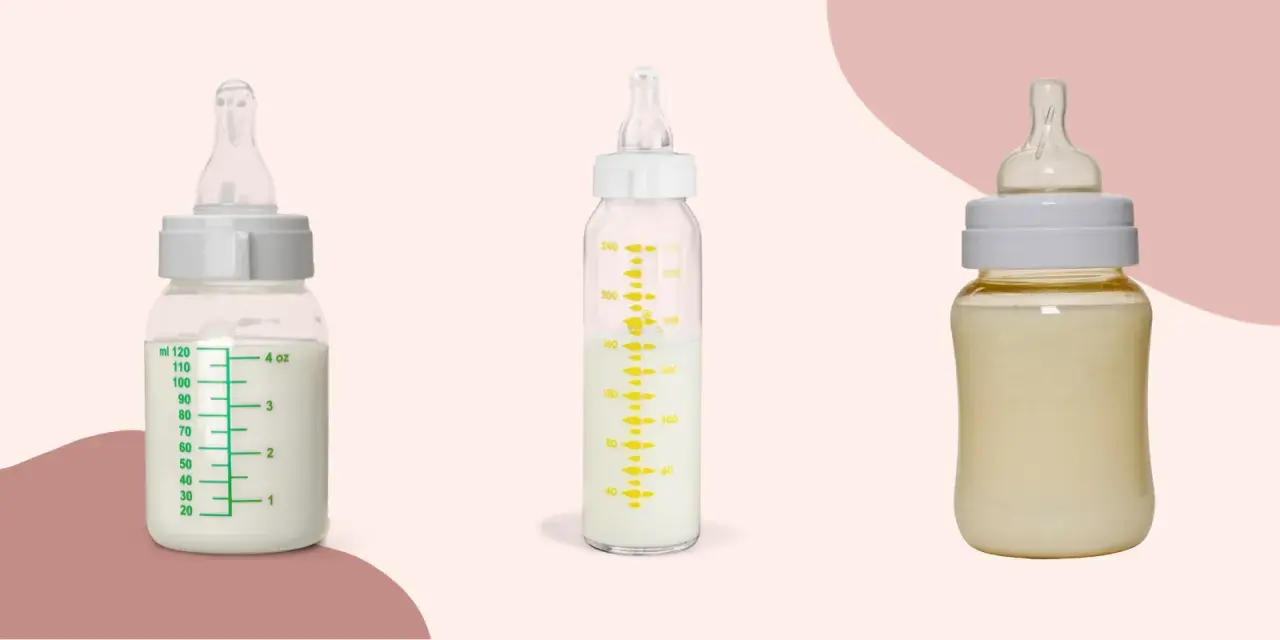
Choosing between glass and plastic baby bottles usually comes down to three things: safety comfort, daily convenience, and how much cleanup you want to tolerate. The glass baby bottles vs plastic debate is less about a single winner and more about which material fits your feeding routine, your home setup, and how often you travel. I usually look at heat, breakage, weight, price, and how the bottle feels at 2 a.m. when you are tired and trying not to spill a drop.
What matters most is how you feed, clean, and carry the bottle
- Glass is better if you want a sturdier-feeling, heat-friendly bottle that stays clear longer.
- Plastic is better if you want something lighter, cheaper, and easier to toss in a diaper bag.
- The bottle body matters, but nipple flow and shape often matter more for feeding comfort.
- Current U.S. baby bottles are generally BPA-free, so the old polycarbonate issue is no longer the whole story.
- If you warm bottles often, avoid the microwave and use warm water or a bottle warmer instead.
- The best choice is usually the one you will actually keep clean, use consistently, and replace on time.
What parents are really choosing between
When I compare glass and plastic bottles, I do not start with labels or marketing claims. I start with the feeding routine. Glass feels more premium, more stable in the hand, and easier to keep looking new. Plastic is lighter, less intimidating if it gets dropped, and usually friendlier to a tight budget.
That is why this choice is really about trade-offs. A parent who mostly feeds at home may care more about heat resistance and easy cleaning. A parent who lives out of a diaper bag may care more about weight and durability. The bottle body is only one part of the setup, but it is the part you will touch every day, so the differences add up quickly. From here, the key question is whether those differences matter more for safety or for convenience.

Safety concerns are different, not equal
The safety conversation used to center almost entirely on BPA, but that is too narrow now. According to the FDA, BPA-based polycarbonate resins are no longer allowed in baby bottles and sippy cups in the U.S., so the old “plastic equals BPA” fear does not describe today’s market very well. What matters now is the type of plastic, how it is used, and how much wear it gets over time.
Glass removes the plastic-material question, but it adds a breakage risk. That does not automatically make glass unsafe; it just means the risk shifts from chemical concern to impact concern. Modern glass bottles are often made from borosilicate glass, which handles temperature changes better than ordinary glass, but they still need care on hard floors and in crowded sinks.
| Factor | Glass bottles | Plastic bottles | What it means in practice |
|---|---|---|---|
| Heat resistance | Usually very good | Depends on the plastic type | Glass is more forgiving if you warm bottles often |
| Breakage risk | Higher if dropped | Lower in normal use | Plastic is easier for travel and one-handed feeds |
| Surface wear | Stays clear longer | Can scratch or cloud | Plastic may look tired sooner |
| Weight | Heavier | Lighter | Plastic is easier on the wrist during long feeds |
| Micro-material concerns | No plastic contact in the bottle body | Science is still evolving | I would not treat this as a settled reason alone to panic |
The American Academy of Pediatrics also advises avoiding microwaving food or drinks in plastic when possible and suggests using alternatives like glass or stainless steel when that makes sense. In other words, the safest bottle is not the one with the loudest claim on the box; it is the one you use correctly every time. That brings us to the part families feel most often: the daily feeding experience.
How they feel during real feeds
This is where the bottle material can surprise people. Glass often feels steadier and cleaner to hold, especially if you are washing bottles often and want something that does not show wear right away. Plastic feels easier in the hand, especially during sleepy nighttime feeds when you are feeding one-handed and trying to keep the room quiet.
Here is the part I think parents underestimate: bottle shape, nipple flow, and venting usually affect feeding comfort more than the body material. A well-designed plastic bottle can outperform a poorly designed glass bottle, and vice versa. If a baby is gulping, leaking, or fighting the latch, the fix is often the nipple or vent system, not the material.
- Glass tends to feel better if you want a heavier, more stable bottle that does not flex.
- Plastic tends to feel better if you want a lighter bottle for travel, daycare, or frequent carrying.
- If you are warming milk often, glass is usually simpler to live with.
- If you are feeding while moving around the house, plastic is easier to manage.
If you are also thinking about pacifiers, I use the same logic there: simple shapes, easy rinsing, and fewer tiny crevices make daily care much easier. The next question is whether those convenience differences justify the price gap.
What the long-term cost looks like
In current U.S. retail listings, glass bottles usually cost more upfront than basic plastic bottles. A small set of plastic bottles often starts in the low teens or below, while glass sets commonly land in the roughly $17 to $30 range, with silicone-sleeved or premium glass options sometimes running higher. That is not a tiny difference if you need several bottles right away.
| Scenario | Glass usually makes more sense when | Plastic usually makes more sense when |
|---|---|---|
| Newborn at home | You want heat-friendly bottles and do not mind extra weight | You want a lower-cost starter set |
| Daycare or travel | You pack carefully and want bottles that stay clear over time | You need something light and less stressful if it gets tossed around |
| Frequent sterilizing | You use hot water, steam, or boiling routines often | You want a simpler, cheaper backup set |
| Long-term use | You plan to reuse bottles for a long stretch or for another child | You expect to replace bottles more often anyway |
Over time, glass can feel like the better value if you keep the bottles in good shape. Plastic can still be the smarter buy if the lower entry price matters more than longevity. Cost is not just the sticker price; it is also how often you end up replacing a bottle you no longer like. That is why the safest choice is not always the most expensive one, but the one matched to how you actually live.
How I would pick for home, travel, and daycare
If I were choosing for a baby who feeds mostly at home, I would lean glass. It is easier to rinse, easier to sterilize, and less annoying if I am warming milk often. It also tends to stay looking fresh longer, which matters more than people think when you are washing bottles several times a day.
If the bottle is going into a diaper bag, daycare cubby, or the car, I would lean plastic. The lighter weight matters, and I would rather risk a scuffed bottle than a broken one. For many families, the practical answer is not one material or the other. It is a mixed set: glass for home, plastic for backup and travel.
That hybrid approach is often the least dramatic and the most realistic. It also gives you flexibility if one bottle shape works better than another, which happens more often than brands like to admit. Once you know where each bottle will live, the remaining details become much easier to judge.
The small details I would check before buying any bottle
I would not buy a bottle on material alone. I would check the nipple flow first, then the venting, then whether the shape is easy to hold while half-asleep. If the bottle has a silicone sleeve, I would treat that as a grip aid and a little extra protection, not as a magic shield. If it is glass, I would still expect normal care around hard counters and sinks.
I would also think about cleaning tools. A bottle brush that reaches the corners, plus a routine that includes the nipples and rings, matters more than most parents expect. If you sterilize pacifiers, keep them with the same standard: clean them fully, let them dry well, and replace them if they look worn or no longer clean up well.
My rule of thumb is simple. Choose glass if you want heat tolerance, a cleaner feel, and a bottle that stays looking new. Choose plastic if you want light weight, lower cost, and less stress about drops. If the bottle itself is easy to clean, easy to hold, and matched to the nipple your baby accepts, you have already made the smarter choice.
