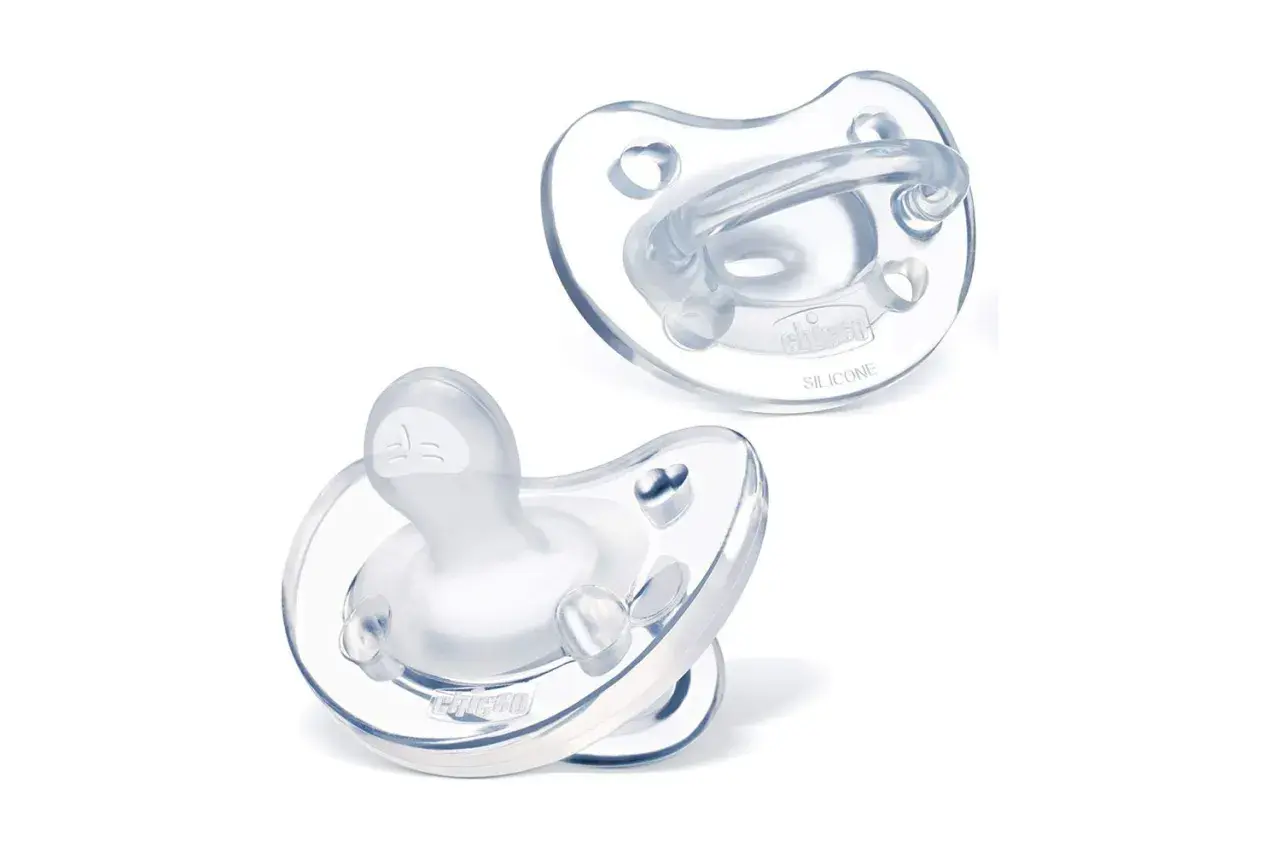
A pacifier can be useful for settling a baby, but the shape you choose changes how it feels in the mouth and how much pressure it places on the palate over time. The orthodontic pacifier vs round choice is less about a perfect product and more about fit, feeding routine, and how long the habit lasts. In this guide, I break down the practical differences, what the evidence suggests, and how I would choose if comfort and oral development both matter.
The right shape is the one your baby accepts and you can use sparingly
- Orthodontic and round pacifiers feel different, but neither shape erases the effects of long-term sucking.
- If breastfeeding is the plan, wait until feeding is established before introducing a pacifier.
- Use a pacifier for soothing and sleep, not to delay hunger cues or replace feeds.
- A one-piece design, a large shield, and the right size matter as much as the nipple shape.
- If your baby only accepts one style, that preference is useful information, not a problem.

What actually changes between an orthodontic and a round pacifier
The visible difference is mostly in the nipple geometry. An orthodontic nipple is usually flatter and more angled, while a round nipple is bulb-shaped and symmetrical. In practice, that changes how the pacifier sits on the tongue, the palate, and the lips, which is why some babies clearly prefer one shape over the other.
| Feature | Orthodontic pacifier | Round pacifier |
|---|---|---|
| Basic shape | Flatter, often with a thinner neck and a broader top | Rounded or cherry-shaped, with a more classic bulb form |
| Typical feel | Can feel more structured and sit flatter in the mouth | Often feels more familiar and soft to babies who like a nipple-like shape |
| Pressure pattern | Designed to distribute contact across a wider area | Can concentrate contact more at the tip |
| Acceptance | Sometimes rejected by babies who want a fuller, rounder feel | Sometimes accepted more quickly by newborns and very comfort-driven babies |
| Big caveat | Not proven to prevent every dental issue by itself | Not automatically worse if use is short and the pacifier fits well |
The main point I keep coming back to is simple: shape matters, but it is not the whole story. A PubMed-indexed review found the evidence is still insufficient to say the orthodontic style prevents malocclusion, so I treat the label as a design clue rather than a promise. That means the real test is how the pacifier behaves in a baby’s mouth over time.
That makes the next question more useful: what does repeated use actually do to a baby's mouth?
How repeated sucking affects the mouth over time
Pacifier use works through repetition. A few minutes of soothing is one thing; a pacifier parked in the mouth for large parts of the day is another. Over time, that repeated pressure can affect the upper arch, the way the front teeth meet, and the shape of the palate.
In dental terms, an open bite is when the front teeth do not touch even though the back teeth do, and a crossbite is when the upper teeth sit inside the lower teeth instead of outside them. I do not mention those terms to scare parents; I mention them because they are the pattern dentists watch for when pacifier use becomes long and intense.
The honest takeaway is that duration matters more than the label on the package. If use stays limited to sleep or short calming moments, the risk is lower. If the pacifier becomes an all-day habit, shape alone will not save you from bite changes.
That is why I treat the pacifier shape as a comfort choice first and an oral-health choice second. The feeding routine around it is what usually determines whether it helps or starts to get in the way.
Which shape fits your baby's feeding routine
When feeding is going well, a pacifier can help with soothing, sleep, and transitions between naps. The AAP recommends offering one at nap time and bedtime to help reduce SIDS risk, and if you are breastfeeding, waiting until nursing is going well, usually around 3 to 4 weeks, is the safer rhythm. I would not use a pacifier to push hunger back or stretch the time between feeds.
- For breastfed babies, I usually favor whichever shape your baby accepts without making the latch more confusing. Some babies like the familiar round feel; others are perfectly content with an orthodontic one once feeding is established.
- For bottle-fed babies, the shape is usually more about comfort and preference than a feeding transition. I still pay attention to whether the pacifier is age-appropriate and does not feel too large in the mouth.
- For babies who need strong soothing at sleep time, I lean toward the shape that settles them fastest and causes the least fuss. The best pacifier is the one you can use briefly and intentionally, not the one that looks best on a shelf.
- For babies who reject pacifiers easily, do not keep swapping shapes forever. Try a small, sensible set of options, then stop forcing the issue if none of them work.
If a baby is clearly hungry, tired, or overstimulated, I would solve that problem directly instead of testing another nipple shape. Once feeding and soothing are separated cleanly, the buying checklist gets much easier to use.
What I check before buying either one
Most parents focus on the nipple shape first, but I think the safety details deserve equal attention. A nice-looking pacifier is not useful if it is undersized, fragile, or hard to keep clean.
- One-piece construction matters because it reduces the chance of a nipple and shield separating.
- A large shield with ventilation holes helps keep the whole pacifier from entering the mouth and allows airflow.
- Age-appropriate sizing matters more than people expect. A pacifier that is too small or too large can be uncomfortable and less stable.
- Cleanability matters because worn or dirty pacifiers become a nuisance fast. I look for dishwasher-safe models and replace anything that cracks, sticks, or discolors.
- No bottle nipple as a substitute - I would never use a bottle nipple as a makeshift pacifier, because that creates a choking risk if it detaches.
- No cords around the neck - clips are useful outside sleep, but nothing should be tied to a crib or worn in bed.
- Special feeding needs deserve clinician input. If your baby has a cleft palate, jaw difference, or another oral issue, shape preference is not the first question.
If you want one simple cleaning rule, I follow frequent sterilizing or boiling until about 6 months, then regular soap-and-water washing after that unless the manufacturer says otherwise. I also replace a pacifier as soon as it shows wear, because a worn-out model is the wrong place to save money.
That is the part I wish more packaging highlighted. A great shape with poor construction is still a poor choice. Once the basics are covered, the real question becomes how long you plan to keep the habit around.
When to wean, switch, or ask for a dental check
Pacifier shape stops being the main issue once the habit becomes frequent enough to affect the bite. Strong pacifier sucking beyond 2 to 4 years of age can change the shape of the mouth or the way the teeth line up, and if the bite does not correct itself after the habit stops, dental treatment may be needed.
Here is when I start paying closer attention:
- The pacifier is in the mouth for most of the day, not just sleep.
- Your child cannot settle without it and gets upset when it falls out.
- You notice an open bite, a crossbite, or the front teeth starting to flare forward.
- Your child is approaching the toddler years and still uses the pacifier heavily for self-soothing.
- You are replacing one shape with another because the real problem is overuse, not preference.
When I help families taper, I usually start with daytime limits, then keep the pacifier for naps and bedtime only, and finally phase it out with praise rather than a showdown. If your child is past toddler age and still very attached, a pediatric dentist can help you decide whether the issue is just habit or something that needs correction. That makes the final decision less about round versus orthodontic and more about how to handle the habit itself.
The decision I would make if I were choosing today
If one shape clearly works and the other does not, I would stop overthinking the label and choose the one my baby accepts, as long as it fits safely and is used for a limited purpose. If both work, I lean toward the model that seems well sized, easy to clean, and comfortable enough that my child does not need to fight it.
My practical rule is this: choose the pacifier your baby can use briefly and safely, keep it away from hunger management, and take the habit seriously once it starts stretching into all-day use. That is the cleanest way to think about orthodontic and round pacifiers without letting product claims do more work than they should.
