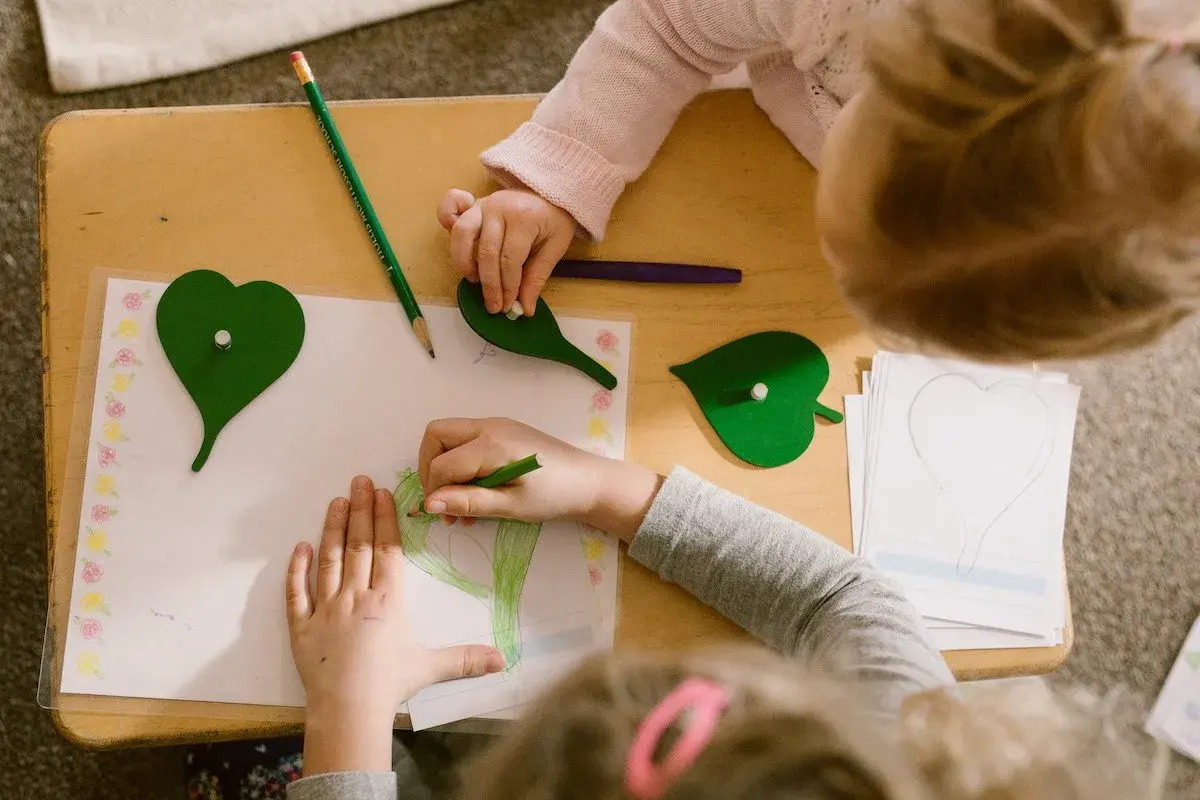
Montessori fine motor activities work best when they feel purposeful, simple, and just challenging enough for a child to repeat them willingly. In practice, that means pouring, spooning, buttoning, threading, cutting, and tracing movements that build hand strength, control, and coordination without turning the work into a test. In this article, I break down what those tasks actually develop, which ones fit different ages, how to set them up at home, and what usually slows progress down.
What matters most before you set out a tray
- Start with practical life tasks before moving to pencil-and-paper work.
- Choose activities the child can finish mostly on their own, with a little challenge.
- Short, repeatable sessions of 5 to 10 minutes are usually more effective than long lessons.
- Household tools can work as well as specialized Montessori materials if they are sized for the child.
- Progress looks like smoother grasp, better coordination, more independence, and less fatigue.
What these activities build beyond hand strength
I think of fine motor development as a chain: grip, coordination, control, then independence. A child first learns to isolate the thumb and forefinger, then to use both hands together, then to move the wrist and fingers with less effort, and finally to use those movements for real jobs like dressing, serving food, or beginning handwriting.
Montessori Foundation describes practical life work such as pouring, dressing, and cutting as central to this development, and that matches what I see in good home setups. The task matters less because it is “cute” and more because it asks the child to do something useful with increasing precision. That is also why these activities support attention and sequencing, not just hand muscles.Three technical terms are worth keeping in mind. Pincer grip is the thumb-and-forefinger pinch used for precise grasping. Bilateral coordination means both hands working together in a coordinated way. Visual-motor integration is the hand following what the eye sees, which becomes important for things like cutting on a line or placing a bead on a string.
One Montessori idea I find especially useful is control of error, which simply means the activity itself tells the child when something is off. Water spills, beads do not fit, buttons do not close, or a line is hard to stay on. That feedback is better than constant adult correction because it keeps the child active in the learning loop. Once you look at the work that way, choosing the right activity becomes much easier.

Best activities by age and skill
I prefer to match the movement to the child, not the age label alone, but age bands are still useful when you want a practical starting point. The CDC's age 3 and age 5 milestone pages are a helpful reality check: by 3, many children are stringing large beads and using a fork, and by 5, buttons and simple chores become reasonable goals.
| Approximate stage | Good activity choices | What they train | Typical session |
|---|---|---|---|
| 12 to 24 months | Spoon transfer of large objects, posting coins into a slot, pulling scarves from a box, simple object-to-object transfer | Release control, grasp and let-go, hand-eye coordination, early concentration | 3 to 5 minutes |
| 2 to 3 years | Pouring dry beans or water, large bead threading, opening and closing containers, using a fork and spoon | Pincer grip, bilateral coordination, wrist control, practical independence | 5 to 7 minutes |
| 3 to 4 years | Dressing frames, cutting paper strips, lacing cards, tong transfers, simple sorting with tweezers | Finger strength, scissor control, sequencing, tool use, hand separation | 5 to 10 minutes |
| 4 to 6 years | Sewing cards, tracing shapes, more precise pouring and scooping, food prep, pre-writing pattern work | Precision, endurance, pre-writing control, refined hand movement | 10 to 15 minutes |
If a child cannot complete the task with a reasonable amount of success after a couple of tries, I simply step the activity down instead of pushing harder. Bigger materials, fewer steps, and shorter distances usually solve more problems than more adult intervention. That gradual progression matters just as much as the activity itself.
How to set them up at home without overbuying
A good tray setup is boring in the best way. I want one purpose, one material set, one clear place to return everything, and no extra decorations that distract from the movement. In a typical U.S. home, you can build a strong starter shelf without buying a full classroom set.
- Choose a tray or mat that defines the work.
- Keep the materials to one motion at a time.
- Use containers that are slightly different in shape or size so the child can see where things go.
- Show the work slowly once, then step back.
- Stop while the child is still interested.
If I had to keep the budget lean, I would start with a small set of reusable tools instead of a large collection of specialty materials. A basic starter shelf can often stay under $50 if you reuse household items and buy only one or two dedicated tools.
| Item | Rough U.S. budget | Why it earns shelf space |
|---|---|---|
| Child pitcher and two bowls | $0 to $12 | Pouring, transferring, early self-service |
| Child scissors and paper strips | $5 to $15 | Cutting control, hand separation, line awareness |
| Tongs or tweezers | $3 to $10 | Pinch strength, precision, controlled release |
| Lacing beads or large beads and cord | $5 to $20 | Pincer grip, two-hand coordination, sequencing |
| Dressing frame or old shirt | $0 to $35 | Buttons, zippers, dressing independence |
For me, the big rule is this: if the child cannot use the material with some success, the material is too hard, too small, or too abstract for now. Montessori work should feel calm and purposeful, not like a puzzle with hidden rules. Once the setup is right, the next issue is usually not the child, but the way the activity is presented.
Mistakes that make progress stall
Most slowdowns I see come from design, not ability. The child is not failing; the activity is asking for too much, too soon, or in the wrong way.
- Too much difficulty at once. Tiny beads, slippery tools, and complex steps can overwhelm a young child. I fix that by making the objects larger and the path shorter.
- Too much adult help. If I keep correcting every movement, the child stops owning the task. I demonstrate once and then let the hands do the learning.
- Too many choices. Six trays on a shelf can be more distracting than helpful. I prefer one clear activity at a time until the child shows real confidence.
- No repetition. Skills need repetition to become smooth. Rotating materials too fast usually slows progress instead of speeding it up.
- Paper before purpose. Worksheets can wait. Real tasks like pouring, dressing, and cutting give the child stronger motivation and better hand practice.
I also watch for fatigue. If the child starts switching hands constantly, slumping over the tray, or getting visibly frustrated after a minute or two, that is usually a sign to simplify rather than to insist. The right amount of challenge should feel focused, not draining. That leads directly to the question of when to step back and ask for extra help.
When to step up or ask for help
Some variation is completely normal, so I do not overread one awkward week. I pay attention to patterns: persistent avoidance of tools, very quick fatigue, a fist grip long after peers have moved on, or a child who cannot close the gap even when I make the materials simpler.
The CDC's milestone checklists are useful guardrails here because they track what most children, roughly 75% or more, can do by a given age. If a child is far from several age-level hand tasks, if a skill disappears, or if everyday work like feeding, dressing, or buttoning stays unusually hard, I would talk with a pediatrician or an occupational therapist rather than just buying more materials.
That is not a reason to panic; it is a reason to get a clearer picture. Fine motor delays can be mild, temporary, or part of a broader developmental pattern, and the sooner you sort that out, the easier it is to choose the right support. The activity should give you information, not become a pass-fail test.
What I would put on the starter shelf first
If I were building a starter shelf today, I would begin with three repeatable jobs: pouring, transfer work, and one dressing task. That gives a child daily practice with grasp, release, both-hand coordination, and real independence without turning the home into a classroom. Add scissors only when the child can hold the tool safely, and add bead threading or tracing once the hand movement looks smoother rather than rushed.
For most families, the strongest results come from a small number of well-chosen materials used often, not a long list of novelty tools. Keep the work real, keep the setup simple, and let the child repeat until the movement starts to look calm and efficient; that is where the Montessori advantage shows up most clearly.
