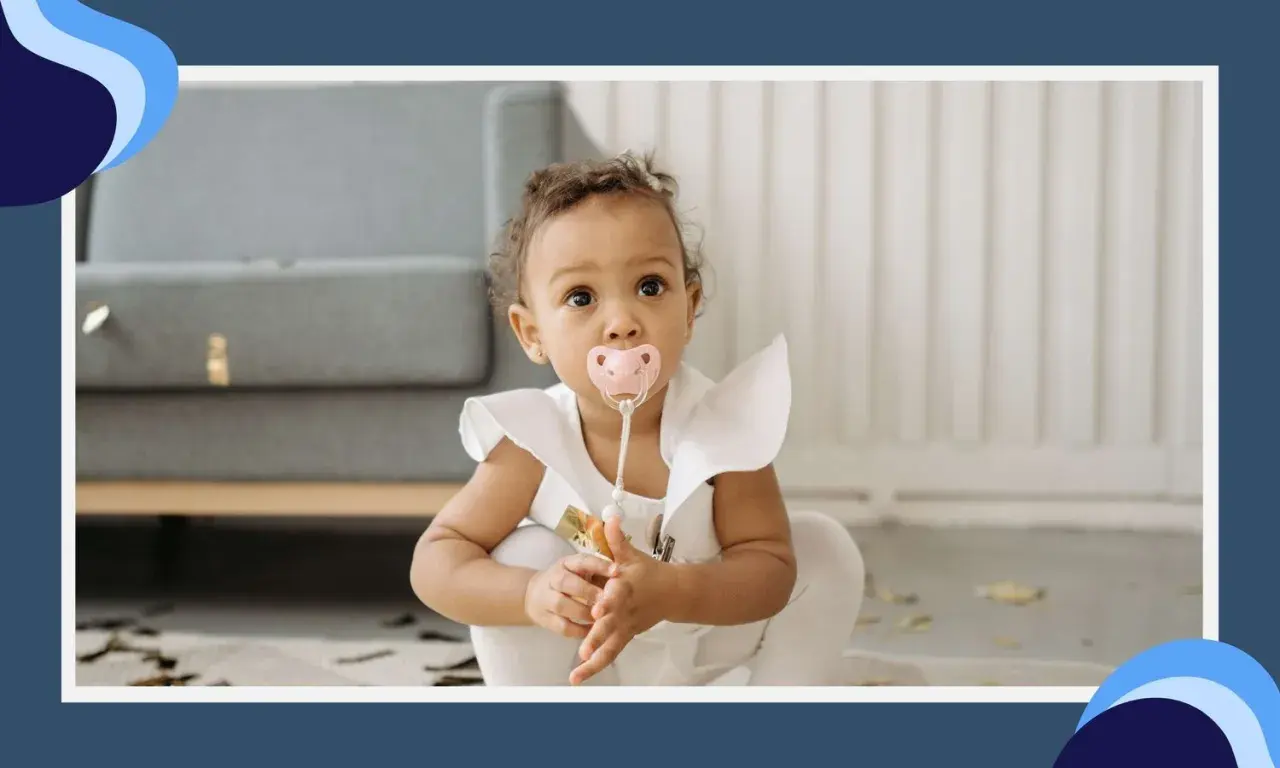
Pacifiers are not automatically a problem, but they do become one when comfort turns into an all-day habit. The real issue is less about the pacifier itself and more about how long a child uses it, how often it stays in the mouth, and whether the habit is still active after the baby stage. In this guide, I break down what can happen to teeth and jaws, which pacifier choices are safer, how to use one without creating avoidable dental trouble, and when it is time to wean.
Here is the practical takeaway on pacifiers and teeth
- Short-term pacifier use in infancy is usually less concerning than frequent use that continues into the toddler years.
- The main dental risks are bite changes such as open bite, overjet, and crossbite, especially when the habit lasts too long.
- Pacifier shape matters for safety, but duration matters more than branding when it comes to teeth.
- A simple, one-piece pacifier is easier to inspect and usually safer than anything with cords, plush attachments, or loose parts.
- Using a pacifier at naps and bedtime is very different from letting it become an all-day soothing tool.
- Most children should be moving away from pacifier dependence well before age 3.
What pacifier use can change and what it usually does not
When I talk about pacifier teeth, I am usually talking about how the bite changes over time, not a baby tooth suddenly getting damaged overnight. A pacifier is a nonnutritive sucking tool, so it soothes without feeding, which is why it can be helpful in early infancy and also why it can become a problem if it turns into a constant habit.In the first months of life, pacifier use can be normal and even useful for calming, sleep routines, and short periods between feeds. The concern grows when the habit is frequent, forceful, and still going strong after the mouth has started to grow past the baby stage. That is when the jaw and front teeth can begin adapting to the repeated pressure.
I think of it this way: the pacifier itself is not the whole story, the calendar is. A short-lived habit is a different issue from one that shapes daily mouth posture for years, and that difference leads directly to the kind of bite changes parents usually want to avoid.
How pacifiers can affect teeth and jaw development
Most of the trouble comes from the way a sucking habit holds the lips, tongue, and front teeth in the same position for long stretches. Over time, that can influence how the upper and lower jaws meet. The most common changes are usually visible in the bite before they become dramatic in appearance.
Open bite
An open bite means the front teeth do not touch when the child closes the mouth. This is one of the classic patterns linked to prolonged pacifier use, and it can make biting into foods harder. If the habit stops early, mild open bite can improve as the mouth grows; if it continues, I would not count on it self-correcting.
Overjet
Overjet is when the upper front teeth start to stick out farther than they should. Parents sometimes call this buck teeth, but the real issue is that the teeth are being held forward for too long. That can increase the chance of injury to the front teeth later, especially if the child falls or plays rough.
Crossbite and a narrower upper arch
Some children develop a narrower upper arch or a crossbite, where the upper teeth sit inside the lower teeth instead of outside them. That matters because bite alignment affects chewing and, in some cases, jaw symmetry. This is one of the reasons I do not treat prolonged pacifier use as a harmless quirk once the toddler years are underway.
Read Also: When Can a Child Eat with a Fork? Your Guide to Milestones
Speech and oral posture
Pacifier habits can also affect how a child rests the tongue and lips. That does not mean a pacifier will automatically cause a speech problem, but a strong sucking habit that lingers can make certain oral patterns harder to unwind. If I see a child using a pacifier almost constantly, I start thinking about function, not just comfort.
The useful takeaway here is simple: short use tends to be low drama, prolonged use can reshape the bite. Once that is clear, the next step is choosing a pacifier that gives you the best odds on safety and simplicity.
Which pacifier design is easier on teeth and safer to use
If I am picking a pacifier for a baby, I want it to be simple, sturdy, and easy to inspect. In the United States, pacifiers sold to consumers have to meet federal safety requirements, including a shield with ventilation holes and construction meant to reduce choking risk. That does not make every design equally good for daily use, but it does set a safety baseline.
| Feature | What I look for | Why it matters |
|---|---|---|
| Construction | One-piece silicone | Fewer seams and fewer places for cracks, separation, or trapped debris |
| Nipple shape | Symmetrical or orthodontic | May sit more naturally in the mouth, though shape alone does not prevent dental changes |
| Shield | Wide shield with ventilation holes | Helps reduce the chance of the pacifier fully entering the mouth and supports airflow |
| Extras | No cords, plush toys, beads, or attachments for sleep | Reduces strangulation and choking risks |
I also pay attention to age labeling. A pacifier that is too large, too small, or visibly worn is not a good fit, even if the packaging looks cute. Marketing language like “orthodontic” can be useful, but I do not let it distract from the bigger truth: no shape eliminates the risk of a prolonged sucking habit.
Once the design is safe enough, the day-to-day routine matters just as much, which is where most avoidable mistakes happen.
Safe pacifier habits that protect the bite
The healthiest pacifier use is limited, intentional, and boring. I want it to be a tool, not a default state. The AAP supports offering a pacifier at naps and bedtime in early infancy, but I still keep that separate from all-day soothing because the dental tradeoff changes as children get older.
- Use the pacifier for sleep, calming, or short transitions, not as a constant background habit.
- Do not let it replace feeding cues in a young infant who is still clearly hungry.
- Keep it clean, and replace it at the first sign of cracks, stickiness, or tearing.
- Never dip it in honey, sugar, or juice.
- Do not attach it to long cords, strings, or plush toys during sleep.
- If it falls out after the child is asleep, there is usually no need to keep putting it back in.
For babies who are still working through feeding rhythms, I prefer to keep the pacifier in the comfort category and the bottle or breast in the nutrition category. Mixing those roles too freely can make hunger cues easier to miss. That is especially important if the baby is very young or if breastfeeding is still being established.
A good rule is simple: if the pacifier is solving every problem, it is being used too much. That is the point at which weaning starts to matter more than the brand or shape you bought.
When to wean and how to make it stick
I get more serious about pacifier dependence after the first birthday, and I want the habit gone by age 3. The AAPD recommends a dental home by 12 months and discontinuing nonnutritive sucking habits by 36 months, which lines up with what I see in practice: the longer the habit lingers, the more likely it is to affect the bite.
| Age range | Practical goal |
|---|---|
| 0 to 12 months | Keep use simple, limited, and tied to comfort or sleep |
| 12 to 18 months | Start narrowing use to naps, bedtime, and short calming moments |
| 18 to 24 months | Begin active weaning and watch for bite changes |
| 24 to 36 months | Finish the transition before the habit becomes deeply entrenched |
When I help families think through weaning, I prefer a gradual approach. Start by limiting the pacifier to sleep only, then remove it from non-sleep routines, then replace it with another predictable cue such as a song, rocking, a stuffed toy if age-appropriate, or a short bedtime script. Consistency matters more than intensity.
I would not recommend cutting the pacifier to make it less satisfying. A damaged pacifier is a safety problem, not a weaning strategy. If the child is old enough to negotiate, give a clear limit and stick to it. If the child is younger, keep the rule short and repetitive so everyone in the house can follow it the same way.
One more thing parents often underestimate: if the pacifier disappears too abruptly, some children switch to thumb sucking, which is harder to control because the replacement is always available. That is why a calm, planned exit is usually better than a dramatic one.
When the habit is shrinking, the next question is whether the mouth has already started to show signs that the bite needs a professional look.
When I would want a dentist to look sooner
Some children outgrow pacifier use with no visible issue. Others show bite changes that are worth checking rather than waiting on. If any of the following show up, I would schedule a dental visit instead of hoping it sorts itself out:
- The child is still relying on a pacifier most nights after age 3.
- The front teeth no longer meet when the mouth closes.
- The upper front teeth visibly stick out more than they used to.
- The child cannot comfortably keep the lips closed at rest.
- Chewing seems awkward or one side of the bite looks different from the other.
- Speech sounds or tongue posture seem off.
- There have been repeated ear infections and pacifier use is still heavy.
- The pacifier is cracked, sticky, or has ever broken during use.
For younger children, I want a pediatric dentist to see the mouth early enough to tell the difference between a temporary habit and a pattern that is already settling in. That matters because the earlier the problem is caught, the less treatment usually needed later. In a lot of families, a single visit is enough to clarify whether the issue is mostly habit or whether the bite is already changing.
If feeding itself is also difficult, or if the pacifier is being used to stretch time between feeds in a baby who still needs regular nutrition, I would involve the pediatrician as well. Pacifier decisions are easiest when they support feeding, sleep, and oral development instead of competing with them.
A simple pacifier plan that keeps comfort without inviting bite problems
My practical rule is straightforward: use a pacifier early, use it simply, and do not let it become a long-term crutch. That means a safe one-piece design, limited use around sleep and soothing, and a real weaning plan before the toddler years turn into a dental habit.
If I had to reduce the whole topic to one sentence, it would be this: the pacifier is usually fine in infancy, but the longer it stays in play, the more likely it is to change the bite. That is why I care more about timing and consistency than about product slogans. A clean, plain pacifier used briefly is a very different thing from a comfort habit that follows a child through every part of the day.
If you are unsure whether your child’s bite is changing, a pediatric dentist can usually tell you quickly whether it is a temporary stage or a sign that the habit needs to end now.
