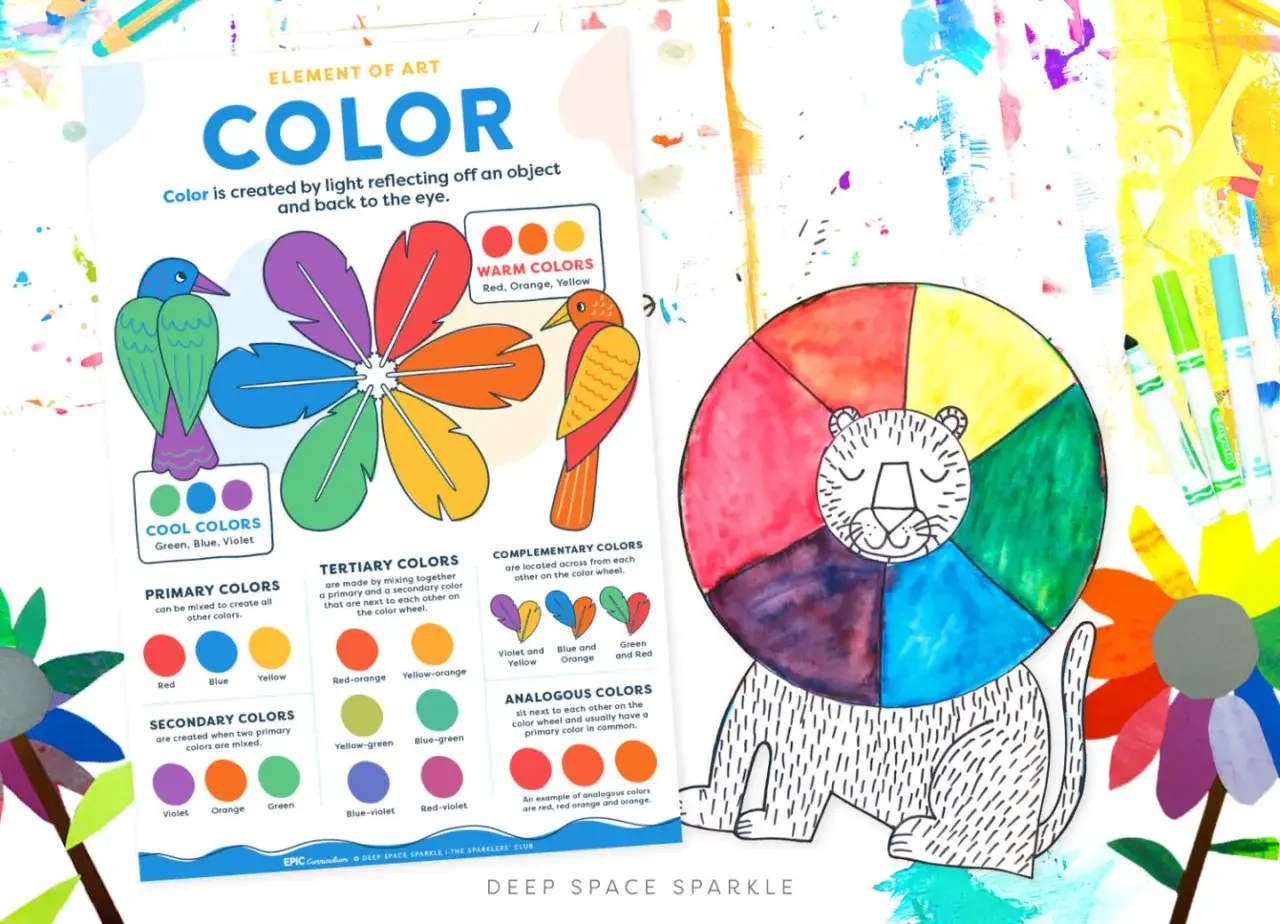
Color learning in infancy works best when it feels like play, not a lesson. In the earliest months, babies are building visual focus, contrast sensitivity, and object recognition; later, they start noticing distinct hues and repeating simple color patterns. I like to combine those stages with short, everyday moments so the child sees the same color, hears the same word, and touches the same object again and again.
The quickest route is simple repetition with the right visuals
- Start with strong contrast and simple shapes for newborns, then move toward bright colors as vision matures.
- Use one color at a time in books, toys, clothing, and routines so the word stays clear.
- Keep activities short and interactive; shared attention matters more than long lessons.
- Choose toys that are easy to grasp, wash, and revisit often instead of flashy items that do everything at once.
- Avoid screens as a teaching tool; real objects and face-to-face play do more for early learning.
What babies can really see and recognize
Before a baby can learn color names, the visual system has to catch up. Newborns respond best to strong contrast, bold edges, and faces at close range; by about 4 months, babies are better at seeing colors and shades, and that ability keeps improving through the first year. That is why I treat color teaching as a progression, not a one-time milestone.
| Age range | Best visual input | What to do during play |
|---|---|---|
| 0-2 months | Black-and-white cards, striped toys, caregiver faces | Hold items close, move slowly, and keep the scene uncluttered. |
| 3-4 months | Bright primary colors and simple patterns | Name one color at a time and repeat it in the same calm tone. |
| 5-8 months | Board books, stacking cups, soft balls, bath toys | Point, label, and let the baby reach, grasp, or mouth safely. |
| 9-12 months | Matching sets, clothing, baskets, and routine objects | Use familiar objects in the same color across the day so the word has context. |
The main point is simple: babies do not need a perfect color curriculum, but they do need repeated, meaningful exposure. Once that foundation is clear, the best next step is turning it into play the baby can actually enjoy.

Play ideas that make colors stick
For learning colors for babies, I always prefer activities that pair sight, touch, and language. If the baby can look at something, reach for it, and hear the same word several times, the lesson becomes much more memorable.
- Point-and-name play - Hold up one object, say the color once, then repeat it naturally while the baby looks at it. A red ball or yellow cup works better than a pile of mixed items because the word stays attached to one clear visual.
- Color walk through the room - Move from one familiar object to another and label only one color at a time: blue blanket, blue book, blue cup. This works because the baby sees the same word in different places without being overwhelmed.
- High-contrast card time - Use black-and-white cards for very young infants, then rotate in bold colors as attention grows. I like this approach because it respects where the baby is visually instead of forcing bright colors too early.
- Bath-time color play - Use one or two floating toys in a single color and repeat the same color name every bath. The routine itself helps the word stick, which is useful when babies are still learning through rhythm and repetition.
- Book pointing - Choose board books with large color blocks or simple images, then point to the same color on each page. This is one of the cleanest ways to connect visual input with language.
- Laundry sorting - Place two soft items of different colors in front of the baby and sort them slowly while naming each one. It is simple, but that is exactly why it works: the baby can follow the movement and the contrast without distraction.
I usually keep these sessions short, often under a minute or two, because babies learn better from repeated moments than from one long, ambitious attempt. The next question is which toys and books are actually worth bringing into the mix.
Which toys and books earn their keep
Not every colorful toy helps in the same way. I look for items that are simple enough for a baby to focus on but interesting enough to invite repeated play. In practice, that means fewer features, clearer colors, and more opportunities to touch.
| Item | Best for | Why it helps | What to watch for |
|---|---|---|---|
| Board books with large color blocks | 4-12 months | They support pointing, naming, and repeated reading. | Avoid pages that are so busy the color gets lost. |
| High-contrast cards | Newborn to 4 months | They match early visual development and are easy to track. | Use them during awake play only, not as sleep items. |
| Stacking cups or nesting bowls | 5-12 months | They combine color, size, and cause-and-effect. | Keep the set simple so the baby can focus on the colors. |
| Soft blocks or balls | 4-12 months | They are easy to grasp, pass, and label aloud. | Choose large, washable pieces that are safe for mouthing. |
| Bath toys in one or two colors | 6-12 months | They turn a daily routine into a repeatable color cue. | Too many colors can make the activity noisy instead of useful. |
I also think nursery setup matters, but not in the exaggerated way social media sometimes suggests. A calm room with a few strong, repeated color accents is more useful than a room packed with decorative clutter. Once the tools are chosen well, the daily routines become the easiest place to reinforce them.
How to build color practice into daily routines
Babies do not need formal lessons to notice color. They need frequent, low-pressure exposure in places where they are already paying attention. I get the best results by weaving color language into moments that already happen every day.
- During diaper changes - Name one visible color on a wipe, onesie, or changing pad. The baby is close to your face here, so the interaction is naturally focused.
- While getting dressed - Hold up one item and say the color before putting it on. Repeating the same shirt or bib for a few days makes the word easier to recognize.
- At feeding time - Use a bowl, spoon, or bib in the same color for several meals in a row. That repetition creates a strong visual anchor without adding extra effort.
- On stroller walks - Point out one color at a time in the real world, like a red car or green sign. Real environments help babies learn that colors are attached to actual objects, not just toys.
- During cleanup - Sort only two colors at first. Two choices are enough for a baby or young infant to follow without losing attention.
My rule is to keep it short and specific. If a color appears in a book, then on a toy, and then in the diaper bag, the baby starts to connect the word with a stable visual pattern instead of treating it like a random sound. From there, the big mistake is usually not a lack of effort but too much effort in the wrong form.
What slows progress and how to avoid it
The fastest way to make color play feel pointless is to turn it into visual noise. Babies learn best when the color stands out clearly, the language is simple, and the interaction stays human. The American Academy of Pediatrics advises against screen viewing before 18 months, and I think that matters here because color learning depends on shared attention, not passive watching.
| Common mistake | Better approach |
|---|---|
| Using too many colors at once | Stick to one or two colors in a single activity. |
| Switching between color names too quickly | Use basic names first and repeat them often. |
| Relying on videos or fast-moving screens | Use real objects, your voice, and face-to-face play. |
| Buying toys that flash, spin, and sing all at once | Choose simpler toys that let the color stand out. |
| Expecting a verbal response too early | Look for eye contact, reaching, and repeated interest first. |
One more thing I see often: parents assume a neutral nursery is a problem. It is not. A soft room can still support color learning if the baby also sees strong contrasts, a few repeated bright objects, and plenty of real-world color during play. The final step is putting that into a routine that feels easy enough to keep doing.
What I would focus on first if I were starting today
If I were setting this up from scratch, I would keep it very simple for two weeks. I would choose one high-contrast visual for the youngest stage, one or two bright toys once color attention improves, and one daily routine where the same color keeps appearing. That is enough to build recognition without making the home feel like a classroom.
- Pick one board book with large, clear color images.
- Choose one red, one blue, and one yellow toy that are easy to grasp.
- Use the same color word in the same routine each day, such as bath time or dressing.
- Repeat the same color for several days before adding a new one.
- Watch for interest, not performance, because attention comes before naming.
If a baby is not tracking faces, does not seem interested in bright objects, or shows unusual eye behavior, I would bring that up with a pediatrician early rather than guessing. For everyone else, the path is straightforward: keep the colors simple, keep the language consistent, and let repetition do the heavy lifting.
