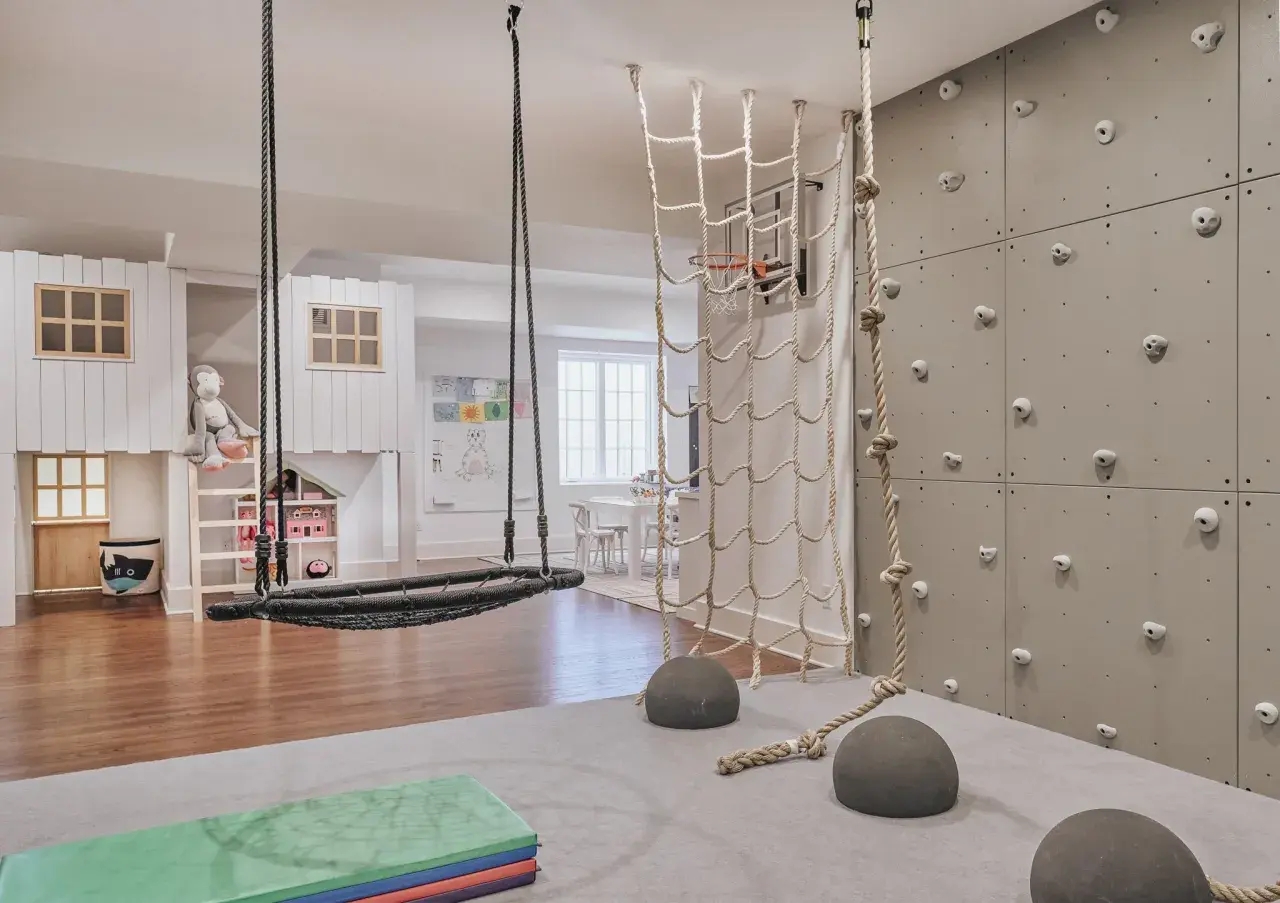
A strong nursery or playroom is not just calm-looking; it helps a child move, reach, choose, and clean up without constant adult help. The Montessori aesthetic works best when it is built around function first: child-sized furniture, open storage, natural materials, and a room that stays easy to read at a glance. In this guide, I’m breaking down what that style really means, what to buy, what to skip, and how to keep the room practical as your child grows.
What matters most before you buy anything
- The room should support independence, not just look tidy.
- Low, open storage matters more than decorative furniture sets.
- Natural wood, cotton, wool, and muted colors do most of the visual work.
- Keep only a few toys visible at once; rotation prevents overwhelm.
- A practical U.S. setup can start around $150-$300 and scale up from there.
What the style is really trying to achieve
When I design around Montessori principles, I start with the room’s job, not the décor. A child should be able to see what is available, get to it, use it, and return it with very little help. That is why the look feels so calm: it removes friction. Open shelves, child-height furniture, and clearly defined spaces create a room that teaches order without a lecture.
That is also why a room can look “Montessori” on social media and still miss the point. If the toys are pretty but unreachable, the shelf is packed too tightly, or every surface is styled for adults, the environment works against the child. The real goal is freedom within limits - enough structure to feel safe, enough access to build confidence, and enough simplicity to keep choices manageable. Once that is clear, the layout becomes much easier to plan.

The layout that makes a nursery or playroom work
I like to think in zones, even in small rooms. A nursery usually needs a sleep area, a changing or care area, a floor area for movement, and one low storage point for the few items the child can actually use. A playroom needs a reading nook, a work table or floor mat, a shelf for rotating toys, and open space in the middle. That open space is not wasted space; it is where crawling, stretching, rolling, building, and carrying happen.
For a small American home, the best layout is usually the simplest one. One shelf. One rug. One child-sized table or floor mat. If the room is crowded, I would rather remove a piece of furniture than add another basket. Pathways should stay clear, because children need to move through the room without navigating around adult-sized objects. A room that feels easy to move through is usually easier to keep orderly, too.
For nurseries, I would keep the visual field especially quiet near the crib or sleep space. For playrooms, I would separate active play from quiet play as much as the room allows. Even a few feet of difference can help a child understand that books, blocks, art, and movement are not all the same kind of activity. That leads directly to the question of which pieces actually deserve floor space.
Furniture and storage I would buy first
The fastest way to get this style wrong is to spend on decorative extras before the basics. I would start with the pieces that make the child more independent and the room easier to reset at the end of the day. In current U.S. retail, the core items vary a lot in price, but the pattern is consistent: simple pieces can be inexpensive, while sturdier wood versions cost more and usually last longer.
| Item | Why it matters | Typical U.S. price range in 2026 |
|---|---|---|
| Low open shelf | Lets children see, choose, and return items independently | $40-$200 |
| Child-sized table and chairs | Supports puzzles, drawing, snacks, and practical life work | $50-$150 |
| Floor mirror | Helps with body awareness, dressing, and self-recognition | $40-$400 |
| Washable rug or floor mat | Defines the work area and softens the room visually | $35-$230 |
| Baskets and trays | Make cleanup and toy rotation easier | $10-$40 each |
At the budget end, a simple children’s table can be around $50, and a basic shelf can stay under $100 if you shop carefully. A more finished wooden shelf or display unit often lands closer to $100-$200, especially if you want a cleaner look and better durability. I care less about matching sets and more about whether the child can actually use the furniture without an adult standing over them. That practical filter matters even more when color and texture enter the picture.
Colors, materials, and light that do the heavy lifting
The room’s mood comes mostly from surfaces, not accessories. Soft white, oat, sand, clay, muted sage, and natural wood usually work because they keep the background quiet while still feeling warm. I prefer these tones over stark bright white in a nursery or playroom, because a room that is too cool can feel unfinished rather than calm. The point is not to make everything beige. The point is to avoid visual noise.
Materials matter just as much. Cotton curtains, wool or cotton rugs, woven baskets, unfinished or lightly finished wood, and matte paint finishes usually read as more grounded than glossy plastic. I also like adding one or two real objects where it makes sense: a ceramic cup for older toddlers, a small wooden bowl for sorting, or framed art instead of wall stickers everywhere. That kind of material honesty gives the room texture without making it busy.
Light is the final piece people underestimate. Natural light makes the whole room feel more open, and a child-height mirror can expand the space visually while helping with practical skills. If the room has no good window light, use warm bulbs rather than harsh cool ones. A room can be very simple and still feel rich if the lighting and materials are doing their job. From there, the next step is deciding what actually lives on the shelf.
How to choose toys and materials without clutter
I keep coming back to one rule: fewer visible items, better chosen items. A shelf full of random toys is still clutter, even if every bin is labeled. The child should be able to tell what each item is for. That is why Montessori-inspired rooms usually rely on a limited number of open-ended, hands-on materials rather than a huge pile of single-use gadgets.
For a nursery, that usually means a few board books, a grasping toy, a soft sensory ball, a mirror, and maybe one basket of simple rotation items. For a toddler playroom, I would add puzzles, blocks, practical life trays, art supplies, nesting toys, and one or two movement pieces if the room can handle them. A good shelf does not try to entertain for the whole afternoon; it offers clear, useful choices.
- Books should be front-facing when possible, because covers are easier for little children to recognize than spines.
- Blocks and construction toys stay valuable longer than most themed toys because they invite repeated play.
- Practical life trays work well for pouring, transferring, scooping, or simple dressing practice.
- Art materials should be limited and visible, not buried in a giant craft drawer.
- Movement items belong in the room only if they can stay safe and clear of walkways.
In most homes, I would rotate toys rather than display everything at once. Eight to twelve items on a shelf is often enough for a toddler play area; babies usually need even less. Rotation keeps the room fresh without forcing you to buy more. It also makes cleanup faster, which is why the rooms that look best often stay better organized in real life. The next section is where I usually see people lose the balance.
Where the style goes wrong in real homes
The most common mistake is making the room look intentional while quietly making it inconvenient. That usually happens in a few predictable ways. First, shelves get overloaded because the parent wants the room to feel “full.” Second, furniture is chosen for style rather than reach and scale. Third, the room becomes so neutral that it loses warmth and personality. None of those errors are dramatic on their own, but together they make the room harder for a child to use.
I also see a lot of rooms that lean too hard on aesthetic consistency. Beige toys, beige baskets, beige wall art, beige walls, and then a child who cannot find anything because the visual contrast is too low. Children still need clarity. A few stronger signals - one red basket, a dark tray, a visible book cover, a clear bin for blocks - can actually improve function. The room should feel calm, not visually flat.
Another mistake is buying too much at once. A Montessori-inspired room works better when it evolves from observation. If your child ignores the art corner but uses the shelf every day, you know where to invest next. That observation-first approach also helps control cost, which matters when you start pricing the room out in the U.S. market.
A realistic 2026 budget for a nursery or playroom
The good news is that this look does not have to be expensive. The bad news is that it can get expensive fast if you buy designer versions of every piece. I usually break the budget into three levels, because the right answer depends on whether you are furnishing a nursery from scratch, refreshing a playroom, or trying to upgrade a space you already have.
| Budget tier | What it can cover | Typical total |
|---|---|---|
| Starter | One shelf, one rug or mat, baskets, a few toys, and a secondhand or basic table | $150-$300 |
| Balanced | Better shelf, child table and chairs, mirror, reading display, washable rug, curated toys | $400-$900 |
| Premium | Solid-wood furniture, custom storage, higher-end textiles, movement pieces, premium toys | $1,000-$2,500+ |
For most families, the balanced tier is the sweet spot. You can get the functional effect without chasing the expensive version of every item. In practice, I would rather see a well-chosen $65 cube organizer, a $50-$100 child table, and a durable rug than a room full of fragile decor. If you buy secondhand or mix brands strategically, the room can feel cohesive without becoming overpriced. The final piece is making sure it still works six months from now.
What I would keep flexible as your child grows
The strongest Montessori-inspired rooms are stable in structure but flexible in contents. I would keep the shelf, rug, table, and care zones relatively consistent, then rotate what sits on them as the child develops. That stability gives the room a sense of order, while the changing materials keep it relevant. A baby’s room should not be built like a preschooler’s room, and a toddler’s room should not stay frozen in infant mode.
As children grow, I would shift the emphasis from sensory access to practical independence. For infants, that means safe floor time, mirrors, low visual contrast, and a few grasping objects. For toddlers, that means clear toy limits, simple dressing help, and trays for pouring or sorting. For preschoolers, I would make room for art, puzzles, number work, and more responsibility around cleanup. The core furniture can stay; the contents should evolve.
If I had to leave one practical rule behind, it would be this: build the room so the child can do more tomorrow than they could do today. That is the difference between a room that merely looks curated and a room that quietly supports development every single day.
