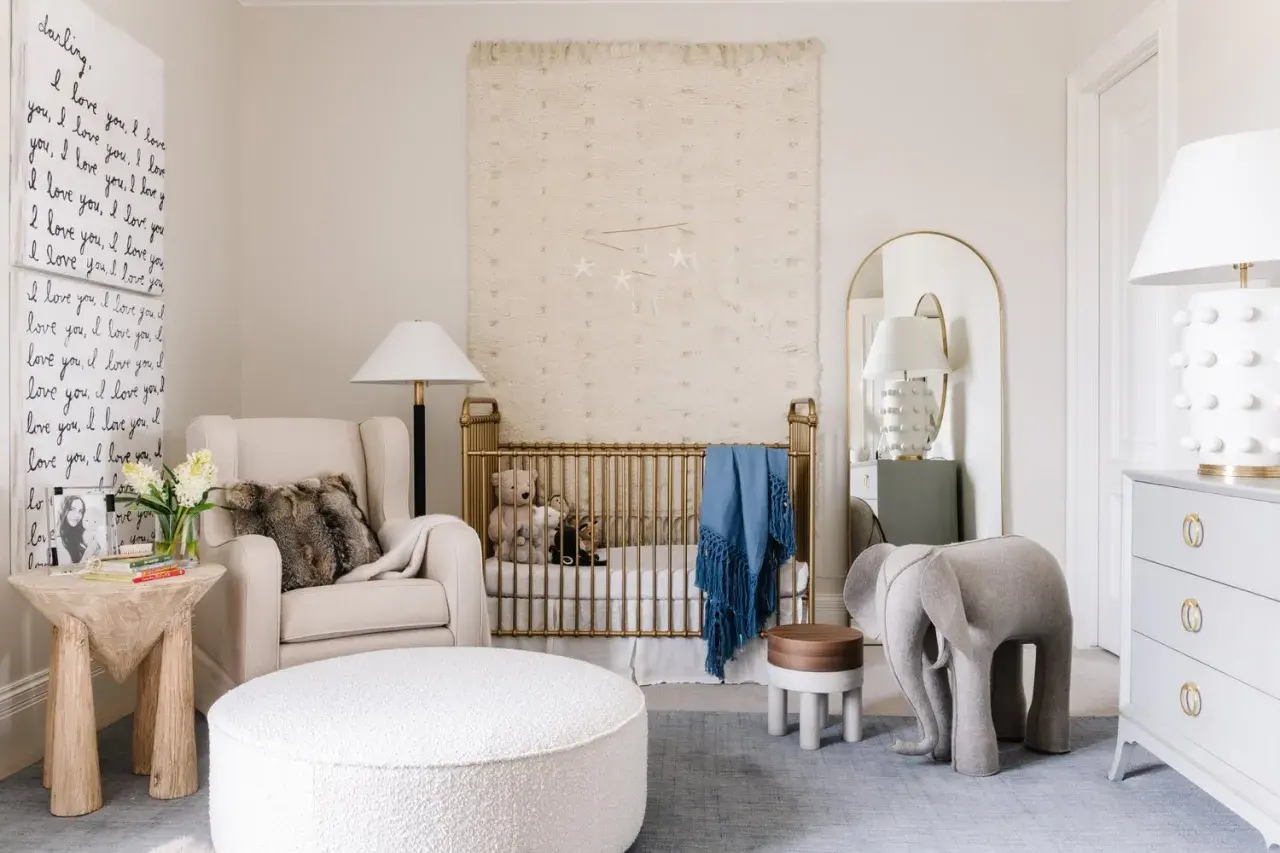
A nursery works best when it feels playful enough to spark joy and calm enough to handle midnight feeds, diaper changes, and early naps. The strongest fun nursery ideas are not the loudest ones; they blend personality, comfort, and everyday function so the room keeps working after the first few months. In this article, I break down themes, color, layout, storage, safety, and budget choices that make a baby room feel memorable without becoming impractical.
The best playful nurseries balance comfort, personality, and easy upkeep
- Start with one clear mood, then repeat it through color, texture, and a few key details.
- Use walls and paint to add energy instead of filling every surface with decor.
- Plan the room around sleep, feeding, and changing before you buy accessories.
- Keep storage easy to reach with one hand so clutter does not take over.
- Treat safe sleep and low-tox materials as part of the design, not an extra step.
- Spend on the pieces you touch every day and save on decor that can be swapped later.

Choose a theme that can grow with the baby
In 2026, I am seeing more parents move away from overly literal nursery themes and toward rooms that feel more layered, soft, and story-driven. That shift makes sense. A nursery should feel personal, but it should not trap you in a look that feels outdated the moment your baby starts crawling. The easiest path is to pick a mood first, then let the details follow.Good examples include woodland, storybook garden, soft safari, celestial, coastal, and modern color-block styles. Each one gives you a visual direction without forcing you into cartoonish decor. The best version of a theme is specific enough to feel intentional and flexible enough to survive the toddler stage.
| Theme direction | What it looks like | Why it works | Easy update later |
|---|---|---|---|
| Woodland story | Warm wood, soft green, forest animals, knits, woven baskets | Cozy without feeling overly busy | Swap animal art for landscape prints |
| Storybook garden | Florals, tiny mushrooms, dusty pink, sage, illustrated books | Whimsical but still gentle | Replace floral accents with neutral linen and art |
| Modern color-block | Muted terracotta, clay, blue-gray, clean lines, simple shapes | Feels fresh and easy to refresh | Change the accent color without redoing the room |
| Celestial calm | Moon shapes, stars, navy, cream, brushed brass or black accents | Works well in small rooms because the motif stays orderly | Swap star details for clouds or abstract art |
If you want the room to feel fun without turning chaotic, I usually recommend one hero motif, two supporting colors, and a handful of repeated shapes. That gives the nursery enough identity to feel special, while still leaving room for the practical layers that come next. Once the mood is set, the walls are where the room really starts to come alive.
Use color and wall treatments to create energy
A nursery does not need to be neutral to feel restful. In fact, too much beige can flatten the room and make it feel like a holding area instead of a space you want to spend time in. My favorite approach is a simple 70/20/10 balance: about 70 percent base color, 20 percent secondary tone, and 10 percent accent. That keeps the room lively, but still visually quiet enough for sleep.
- Paint: the fastest way to change the mood, especially if you want one strong wall color and the rest soft.
- Wallpaper: best when you want pattern with minimal styling, especially for a focal wall behind the crib or dresser.
- Decals: ideal if you rent, expect to move, or want a playful look without a long commitment.
- Murals: strongest for a one-of-a-kind room, but they work best when the rest of the nursery stays simple.
- Trim color: underrated, because painted baseboards or wainscoting can add structure without making the room louder.
If you are painting, I would default to low- or no-VOC products. The EPA notes that VOC levels can be higher indoors than outdoors, which makes finish choice worth taking seriously in a room a baby will use every day. Once the color story is right, the next question is whether the layout supports real life or just looks good in photos.
Build a layout that works for midnight feeds
The most usable nurseries are planned around movement. I like to think in three zones: sleep, changing, and feeding. When those zones are close enough that you can reach what you need without crossing the room five times, the nursery starts feeling calmer immediately. In smaller spaces, I aim for roughly 24 to 30 inches of clear walking room wherever possible, because even a little breathing space matters when you are carrying a baby, a diaper bag, or a laundry basket.
Here is the layout logic I use most often:
- Sleep zone: crib or bassinet, away from cords, curtains, and anything the baby can pull or reach.
- Changing zone: dresser or table, diapers, wipes, creams, and extra clothes within arm's reach.
- Feeding zone: chair or glider, side table, lamp, water, burp cloths, and a small basket for books.
- Traffic path: one clean route from the door to the crib and chair, with nothing that forces you to sidestep in the dark.
In a nursery that also doubles as a tiny playroom later on, I would leave a little open floor area rather than filling every corner. Babies do not need a fully packed room. They need a room that is easy to move through, easy to clean, and easy to reset after one hard night. From there, storage becomes the difference between a pretty setup and one that actually holds up.
Storage is what keeps the room fun, not frantic
Clutter kills the mood faster than almost anything else. That is why I treat storage as part of the decor, not a cleanup problem to solve later. The most successful nurseries mix closed storage for bulk items with visible storage for the things you reach for every day. For a nursery and playroom crossover, I also like rotating toys instead of putting everything out at once. In practice, 8 to 12 active toys is enough for many babies and young toddlers to stay engaged without making the room feel crowded.
| Storage type | Best use | Typical U.S. budget range | Why I like it |
|---|---|---|---|
| Dresser drawers with dividers | Clothes, socks, swaddles, spare sheets | $20-$60 for organizers, if the dresser is already owned | Keeps small items visible and easy to grab |
| Open bins | Toys, books, blankets, seasonal extras | $8-$25 each | Fast to use, easy to label, simple to move later |
| Wall shelves | Books, a few keepsakes, rotating decor | $30-$120 | Uses vertical space without crowding the floor |
| Under-crib bins | Backup bedding, outgrown items, diapers in bulk | $15-$40 | Good for small rooms where closet space is tight |
| Basket by the chair | Burp cloths, small toys, board books | $12-$35 | Useful for one-handed access during feeds |
My rule is simple: if an item is harder to put away than to leave out, it needs a better home. Once storage is practical, the room can get softer and more sensory-friendly, which is where lighting and texture start doing real work.
Layer in lighting and textures that help the room breathe
A nursery should feel good at 2 p.m. and at 2 a.m. That means lighting has to do more than look pretty. I usually build around three light sources: an overhead fixture for cleaning and daytime use, a softer lamp or sconce for feeding, and a small night light for movement after dark. Dimmers are worth the upgrade because they let one room shift from wakeful to sleepy without changing anything else.
Texture matters just as much. A washable rug softens the room and cuts down on echo, blackout curtains help with naps, and tactile materials like linen, knit, boucle, or woven storage keep the space from feeling flat. If the room includes a reading corner, a small cushion or floor pouf can make the space more useful without adding clutter. The goal is a room that feels calm through touch, not just through color.
- Choose one main lamp for soft evening light.
- Add blackout window coverings if the nursery gets bright early.
- Use a washable rug or rug pad if spills are likely.
- Mix smooth surfaces with woven or fabric textures so the room does not feel sterile.
Once the room feels comfortable, the final non-negotiable is safety, because a nursery can be beautiful and still be poorly designed if the sleep setup is wrong.
Keep safety built into the design
This is the part I never treat as optional. The AAP and CPSC both recommend a firm, flat sleep surface that meets current safety standards, with the crib kept bare except for a fitted sheet. That means no bumpers, pillows, loose blankets, or stuffed toys in the sleep space. If you room-share for the early months, place the bassinet or crib close to your bed and keep blind cords, lamp cords, and heavy wall decor well out of reach.
- Choose a crib, bassinet, or play yard made to current safety standards.
- Use a mattress made for that exact sleep surface and check the fit.
- Keep the crib empty except for a fitted sheet.
- Hang framed art, shelves, and mirrors outside any reach zone.
- Check recalls before buying secondhand furniture or baby gear.
Safety does not make the room boring. It just keeps the playful details in the right places, which is why budget choices matter so much when you are deciding what to buy first.
Where to spend and where to save
For a typical U.S. nursery, I prefer rough planning bands over hard totals because room size and taste change the numbers fast. A simple refresh with paint, storage, and a few decor pieces can stay around $150 to $400. A more complete setup with a sturdy crib, rocking chair or glider, rug, lighting, and wall treatment often lands around $600 to $1,500. Once you add custom wallpaper, built-ins, or designer furniture, the total can move past $2,500 quickly.| Item | Spend when... | Save with... | Rough U.S. range |
|---|---|---|---|
| Crib | You want a long-term anchor piece | Simple stationary crib with clean lines | $180-$600 |
| Glider or chair | You will spend a lot of time feeding there | A comfortable existing chair and a supportive pillow | $120-$900 |
| Rug | You want softness and sound control | Flatweave or washable rug | $80-$300 |
| Wallpaper or mural | You want a true focal point | Peel-and-stick decals or a painted accent wall | $40-$800 |
| Storage | The room lacks closet space | Bins, baskets, and drawer inserts | $30-$250 |
| Lighting | You want the room to feel layered and usable at night | Dimmable lamps plus a simple overhead fixture | $25-$300 |
My practical rule is to spend on the pieces that get handled every day and save on the details you can switch later. That usually means durable furniture, solid storage, and good lighting first, with art, pillows, and smaller decor filling in the personality. Those finishing touches are what make the room feel personal long after the newborn stage.
The small details that make a nursery feel memorable as it grows
What lasts is not the most elaborate theme, but the room's rhythm. A nursery feels special when it has one or two memorable details, such as a framed print, a favorite book ledge, a small toy display, or a handmade blanket, anchored by furniture that still works when the baby becomes a toddler. That is especially true in a nursery and playroom setup, where the room has to shift from quiet care to active play without a total redesign.If I were building this for a family today, I would keep the anchors durable, the decor flexible, and the story simple enough to evolve. That is usually the difference between a room that photographs well and a room that stays useful, welcoming, and genuinely fun.
